

At home in Southern Germany, the passionate stock exchange expert has been accompanying the capital markets for about twenty years. With a soft spot for smaller companies, he is constantly on the lookout for exciting investment stories. That it depends thereby less on large names, but on the future potential and whether the market also recognizes these perspectives, was one of its first learnings at the stock exchange.
On these pages, Nico examines current events at listed companies and takes a closer look at companies that are traded under the radar of the market, in addition to well-known securities.
In order to be able to take advantage of speculative opportunities on the stock exchange, Nico not only focuses on a balanced asset allocation of defensive and opportunity-oriented securities, but also on an intact risk management. "In addition to position size and entry in several tranches, investors should also develop a sense of timing and get to know a stock better before investing," says the columnist.
Commented by Nico Popp
Commented by Nico Popp on September 18th, 2026 | 08:20 CEST
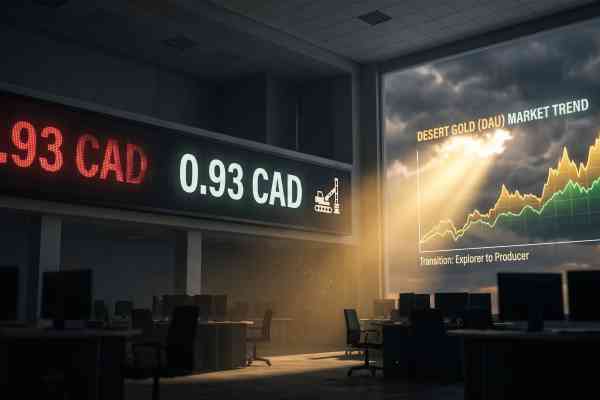
Cash Is King: How Barrick and PDI Gold Are Turning Mali into a Cash Cow – Desert Gold Set to Become a Gold Producer
In the past, West Africa was often seen as a region of missed opportunities and geopolitical uncertainties. But a closer look at Mali today shows a different picture. The Republic is focusing on legal certainty and cooperation, presenting itself as a robust and open destination for international investors. Evidence of this can be seen in the investments made by major mining conglomerates. While industry giants such as Barrick are investing in Mali, dynamic challenger Desert Gold is also coming into focus. Desert Gold is poised to become a gold producer. Here is why the company is entering a pivotal phase.
Read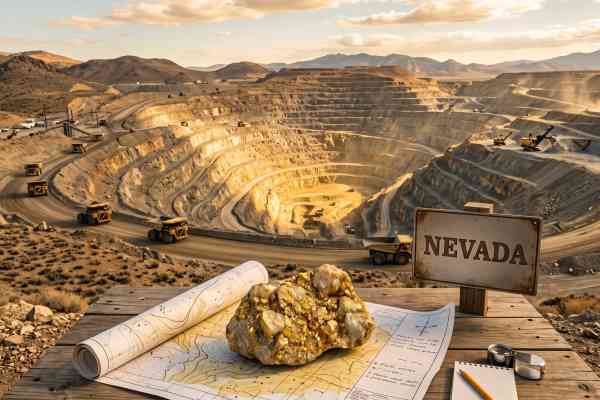
Commented by Nico Popp on September 17th, 2026 | 07:30 CEST
AI Bubble Ahead? SAP Is Worried, SpaceX Is Betting on the Future, and Lahontan Gold Is Banking on Hard Assets in the Ground
In the herd mentality of financial markets, what really matters often gets overlooked. For months, headlines about artificial intelligence, data centres in space and other visions of the future have been driving share prices. Yet while investors are pouring billions into these trending sectors, the upside potential is shrinking with every positive trading day—the premature hype is already too great. Those looking for substance are turning to hard assets: undeveloped precious-metal deposits in stable legal jurisdictions can offer leverage that the broader market has largely overlooked. We take a closer look.
Read
Commented by Nico Popp on September 16th, 2026 | 06:55 CEST
The End of Weight-Loss Shots? Innovations at Merck and Novo Nordisk—BioNxt Solutions Poised for a Hot Fall?
The battle against excess weight is no longer merely a lifestyle issue. Medical professionals now view extreme obesity as a chronic disease that weakens the body and can lead to serious cardiovascular conditions, as cardiological studies have shown. By contrast, sustained weight loss can help pave the way to a longer, healthier life. This insight, combined with pharmaceutical innovation, has sparked an unprecedented race to develop weight-loss drugs. Companies are searching for the ideal way to boost metabolism while making medication as easy and convenient to take as possible.
Read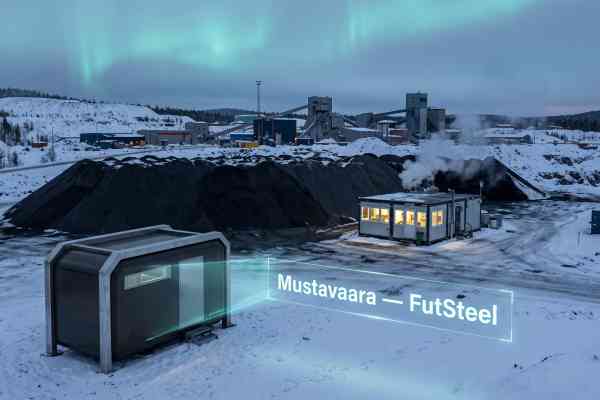
Commented by Nico Popp on September 16th, 2026 | 06:45 CEST
Transformation of the Steel Industry: Rio Tinto and Salzgitter Juggle Projects, Strategic Resources Impresses Researchers
No steel, no infrastructure. From massive bridges and sprawling wind farms to the striking skylines of the world’s major cities—steel is used everywhere. Yet this essential building material comes with a heavy environmental footprint. Current developments, as well as studies and research, show that the industry is facing a radical transformation. Traditional coal-fired blast furnaces have had their day. To protect the climate, new technologies are essential. We look at the latest trends and the companies involved, and highlight opportunities for investors.
Read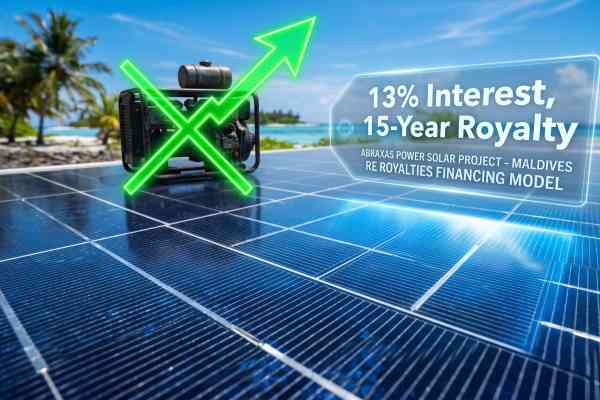
Commented by Nico Popp on September 15th, 2026 | 07:55 CEST
Dividends: Headwinds for Allianz and TotalEnergies – RE Royalties in an Interesting Position
Making your money work for you – that is probably every investor's dream. Dividends can be the key to achieving that. But a generous cash flow today is worthless if the underlying business models are already obsolete tomorrow. Taking a sober look at the balance sheet is no longer enough to reliably assess which dividend stock is truly sustainable—both in terms of consistent payouts and ESG criteria. We take a closer look at three dividend stocks with a promising future and show what role these shares could play in a portfolio.
Read
Commented by Nico Popp on September 11th, 2026 | 08:10 CEST
The Anode Is the Key: How Ferroglobe, Wacker Chemie and HPQ Silicon Aim to Break China's Market Dominance
Anyone getting into an electric vehicle today takes a range of several hundred kilometres and fast charging on the highway for granted. Yet while EVs may be relatively straightforward to use today, their supply chains have weak points. While Western buyers focused for years on cathode metals such as lithium and cobalt, Beijing has secured almost complete control over the anode. Without graphite from the Far East, nearly every Western battery factory would currently be at a standstill. The International Energy Agency (IEA) puts China's share of global anode material production capacity at 97%. For the West, the way forward lies in innovative materials such as silicon and its smart application. We take a closer look at innovative business models.
Read
Commented by Nico Popp on September 10th, 2026 | 08:35 CEST
Defence and the Price of Growth: AeroVironment, Rheinmetall, and Volatus Aerospace in the Spotlight
The war in Ukraine has exposed many of the promises made by the traditional defence industry. When expensive weapons systems are neutralized by swarms of low-cost drones, long-held notions of military strength can quickly evaporate. Satellite navigation fails due to jamming, communications links break down, and chains of command are disrupted. On battlefields in Ukraine, huge tanks often look like beetles that have fallen onto their backs. A shift in thinking is therefore necessary. What is needed today are autonomous drones that can independently target objectives while flying at low altitude or take on other tasks. The Western defence industry needs to rethink its approach.
Read
Commented by Nico Popp on September 10th, 2026 | 08:00 CEST
Newmont and Barrick Mining Are Struggling with Costs – Kobo Resources Sharpens Its Profile and Targets Tomorrow's Gold
When the gold price breaks through the USD 4,000-per-ounce mark, the stocks of the mining giants once again become attractive to many investors. But even the shares of the largest mining companies are not without risks. A gold mine is a dwindling resource: every ounce mined reduces reserves. While Barrick Mining and Newmont are currently generating very strong profits, they too face challenges. Securing a steady supply of new resources is becoming increasingly difficult. This is where agile exploration companies come in, targeting tomorrow's gold reserves with smart exploration methods.
Read
Commented by Nico Popp on September 9th, 2026 | 07:30 CEST
Biotech Boom Thanks to Synergies: AstraZeneca Bets on Platforms, Almirall Forges Alliances, and Vidac Pharma Has the Multi-Tool
Everyone in Germany knows the situation: doctors' offices are crowded, and the healthcare system is stretched to its limits. But even when waiting rooms are full, there are still rays of hope. In Europe, research is being conducted successfully in many areas. As standard drugs gradually lose their patent protection, a new era is dawning. While cutting-edge research in Germany is still considered brilliant, it has all too often failed to translate findings into products. But that is changing. A new generation of European pharmaceutical players is closing the gap with the competition and showing that groundbreaking therapeutic advances no longer have to come exclusively from overseas. We take a look at some exciting companies.
Read
Commented by Nico Popp on September 8th, 2026 | 08:00 CEST
Banking Shock at Bank of America and Deutsche Bank? We Know the Landmines – and Lahontan Gold Offers a Solution
When interest rates rise, and the mountains of debt in Western industrialised nations grow ever higher, experience shows that investors view the financial system with increasing unease. The automatic tendency to simply park liquidity in accounts or invest it in government bonds is being called into question. On both sides of the Atlantic, the strain is becoming palpable. While US public finances are suffering from ever-higher interest rates, ailing infrastructure and high energy prices are weighing on Europe's economic potential. This also shines a spotlight on banks, which, as key players in the financial system, serve as a barometer of financial stability. Resourceful investors are already changing their behaviour and turning their attention increasingly to crisis-proof tangible assets such as gold.
Read