
GreenTech

Commented by Tarik Dede on June 12th, 2026 | 06:50 CEST
High Energy Prices: How Samsung SDI, dynaCERT, and First Solar Stand to Benefit!
On Wednesday, the US inflation figures for May were released. At 4.2%, the reading came in exactly in line with market expectations, and the individual sector data were also broadly consistent with forecasts. Nevertheless, this initially triggered a sell-off in the stock market. It appears that some investors have only now realized that the conflict in the Gulf has driven up energy prices and, consequently, the prices of many other goods and services. Given the renewed US escalation in the Middle East, oil, gas, kerosene, and fertilizer prices appear set to remain at elevated levels for an extended period. For companies whose products become more competitive as energy prices rise, however, these conditions are favourable. That is why we are taking a closer look at the shares of Samsung SDI, dynaCERT, and First Solar.
Read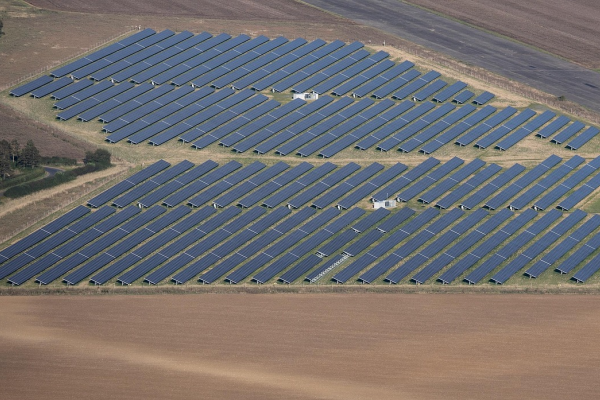
Commented by Matthias Schomber on June 12th, 2026 | 06:45 CEST
Nel ASA Buys Its Way Out, Vestas Wind Keeps Winning Orders, and RE Royalties Nears a Technical Breakout!
The renewable energy market currently resembles a stormy ocean. Of course, this is partly due to global conflicts that are affecting oil prices. Since the closure of the Strait of Hormuz, oil prices have been on a rollercoaster ride. As a result, renewable energy has returned to the spotlight, and hydrogen stocks, for example, have experienced something of a second wind. However, while disappointment is once again setting in for some major players, activity continues to build beneath the surface among smaller companies. This mixed picture is reflected in the recent developments of the three stocks we are following. We take a look at a Danish wind turbine manufacturer that is practically being showered with new orders, yet continues to be punished by the stock market. We also examine a Norwegian hydrogen pioneer struggling with costly legacy issues and a shrinking project pipeline. Away from the headlines, a Canadian financier of green energy projects presents a particularly interesting case. Here, fundamental shifts and an intriguing chart setup suggest that a breakout could be imminent. Read on to find out what is currently driving these stocks and where investors may find performance opportunities for their portfolios.
Read
Commented by Stefan Feulner on June 1st, 2026 | 07:05 CEST
ITM Power, Pure One, BYD: Green Technologies Poised for Explosive Growth
The global mobility and energy sector is on the verge of a massive transformation. While AI data centers and geopolitical tensions are driving a surge in demand for alternative energy sources, entirely new markets are emerging around hydrogen, electric mobility, and zero-emission commercial vehicles. Governments are funding billion-dollar programs for green infrastructure, while companies are seeking solutions for sectors that are difficult to electrify, such as heavy-duty transport, logistics, and industry. Particularly exciting: New battery swap systems, synthetic fuels, and highly efficient hydrogen technologies could be among the biggest winners of global decarbonization in the coming years. At the same time, the price war in the electric vehicle sector is intensifying the pressure to innovate and opening up enormous growth opportunities for technologically strong providers.
Read
Commented by André Will-Laudien on April 28th, 2026 | 07:05 CEST
Oil and Gas Shock Boosts dynaCERT, ITM, and Nel, but Sparks Panic at Jungheinrich!
The stock market has its ups and downs. While Canadian hydrogen fuel-saving company dynaCERT had been stagnating for months, it is now making a breakthrough in Asia. The Canadians' fuel-saving technology is being welcomed with open arms in Vietnam, raising hopes for a hot summer in other Asian countries as well. While Plug Power already celebrated a stellar first quarter, industry rivals ITM Power and Nel ASA are now quickly following suit. However, the current excitement surrounding hydrogen offers little support for Jungheinrich's stock. Here, the Q1 figures are more of a reason to sell. What happens next? Read for yourself.
Read
Commented by Stefan Feulner on April 27th, 2026 | 08:10 CEST
ITM Power, dynaCERT, Nel ASA – Maximum Rebound Potential
Following the massive slump of recent years, the hydrogen sector could be on the verge of a comeback. Two factors are now providing fresh momentum. First, the exploding energy demand from AI data centers; second, the growing tensions in the Middle East, which are tightening oil supplies and driving up prices. The pressure to become less dependent on fossil fuels is growing rapidly. Following the correction, low valuations now meet structurally rising demand. For investors, this creates a classic rebound scenario with significant potential.
Read
Commented by Mario Hose on April 23rd, 2026 | 07:30 CEST
Brilliant! No More Fear of Rising Fuel Costs! How dynaCERT Is Saving Truck Fleets—and Boosting Its Share Price!
Energy prices have been on an upward trajectory for quite some time. While freight forwarders and logistics companies around the world are groaning under the burden of fuel costs, a Canadian company is positioning itself to fundamentally reshape the market. dynaCERT has developed a technology that makes diesel engines not only cleaner, but also significantly more fuel-efficient. The key lies in generating hydrogen at the push of a button. Combined with a potential technical breakout, the stock currently offers an interesting entry point that investors should watch closely. With a new CEO at the helm and technical price targets ranging from CAD 0.15 to 0.30, while analysts at GBC AG have even set a target of CAD 0.75, the starting signal for a completely new phase may have been given. Read on to find out why dynaCERT could have what it takes to become a true portfolio standout right now.
Read
Commented by Carsten Mainitz on April 17th, 2026 | 07:10 CEST
The Perfect Time to Buy: dynaCERT – Innovative Bridge Technology Hits the Mark!
When a company makes tangible operational progress but remains overlooked by the market, it can create opportunities for investors with a longer-term perspective. This currently appears to be the case with dynaCERT right now. The Canadian company's retrofit technology for diesel engines targets two critical variables: cost efficiency and emissions reduction. By generating hydrogen on demand and introducing it into the combustion process, fuel consumption and emissions can be measurably reduced. The energy crisis and increasing regulation of greenhouse gas emissions also play into the company's hands. Analysts attest to the stock's potential for significant appreciation!
Read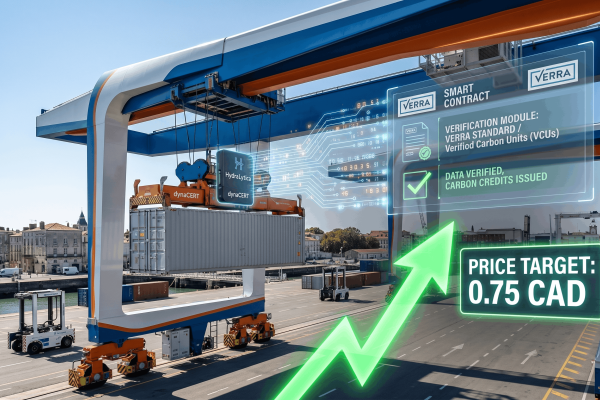
Commented by Nico Popp on April 16th, 2026 | 07:10 CEST
The Crisis as a Wake-up Call: dynaCERT, Hapag-Lloyd, and Brookfield at the Forefront of Decarbonization
The state of the global economy, caught between wars and an energy price shock, is forcing industry and the logistics sector to take immediate action. As energy prices rise, stricter climate protection regulations are also demanding a shift away from fossil fuels. In this market environment, major shipping companies like Hapag-Lloyd are seeking solutions that take effect immediately to reduce their fleets' fuel consumption without lengthy retrofits. In the aviation sector, too, discussions are already underway about canceling flights or using only modern aircraft with lower fuel consumption. While the economy struggles with these conditions, well-capitalized financial market players like Brookfield Asset Management are investing heavily in the industry's transformation. As a developer of a bridging technology, dynaCERT offers an immediately available retrofit solution for diesel engines with its innovative HydraGEN approach, which directly reduces fuel consumption and improves the emissions balance. Since this business model is perfectly suited to the current times, it is worth taking a detailed look at the industry and the company.
Read
Commented by Carsten Mainitz on April 15th, 2026 | 08:10 CEST
Boost from the Energy Shock: A.H.T. Syngas With a 150% Chance, Nordex Due for a Correction, and What is Happening with Verbio?
The energy and oil price shock is hitting global markets and simultaneously marking a turning point for investors. Skyrocketing prices for fossil fuels, wars, and growing supply uncertainties pose major challenges. But there are also winners: companies in the renewable energy and sustainable technology sectors. Here, the little-known A.H.T. Syngas stands out positively. The company uses an innovative process for on-site energy generation from biomass, which brings numerous advantages. Analysts see significant upside potential. After a strong run, the wind turbine manufacturer could now be facing a correction—order intake is declining from high levels. Biofuel producer Verbio is benefiting from high prices and recently raised its forecast. How should investors position themselves now?
Read
Commented by Nico Popp on April 2nd, 2026 | 07:50 CEST
Hydrogen as the Fuel of the Future: Linde Lays the Groundwork, Amazon Tests, and First Hydrogen Delivers the Solution
Is hydrogen on the verge of a breakthrough in logistics? Rising costs for fossil fuels are colliding with regulatory pressure and technological maturity. While battery-electric vehicles are already established in light urban delivery traffic, heavy payloads are also expected to be transported as CO2-neutrally as possible in the future. This is where pure battery technology reaches its limits in heavy, long-haul transport and intensive industrial logistics. Hydrogen is becoming increasingly important in this context, as it enables significantly longer ranges and shorter refueling times for intensive delivery operations compared to pure battery vehicles. While corporations like Linde are planning the necessary refueling infrastructure and hydrogen supply on a large scale, major fleet operators such as Amazon are increasingly exploring the use of fuel cells. In this market environment, First Hydrogen is positioning itself as a one-stop provider. With its light commercial vehicles, specifically developed for the demands of distribution transport and capable of ranges exceeding 600 km, as well as offerings centered on green hydrogen production, the company is striking a chord.
Read