
Electromobility

Commented by Matthias Schomber on August 26th, 2026 | 07:05 CEST
Thrills and Opportunities in the Markets: Why Infineon, XPeng and Desert Gold Could Make Waves Now
Futuristic visions and fundamental security converge in one place: the stock market. The global AI boom demands ever more powerful computing capabilities, and semiconductor companies like Infineon are essentially providing the silicon brain behind this technological revolution. Electric vehicle manufacturers like XPeng are already ushering in and igniting the next stage. The company is defying the fierce price war and aims to usher in the era of humanoid robots with spectacular billion-dollar moves in robotics. But the faster this high-tech spiral spins, the more pressing the question becomes of finding the right shield for one's investment portfolio should something go wrong in this world. We have known just how fragile this system is — not just since the mortgage crisis; history repeats itself every few years or decades. This is precisely where gold comes into play as the ultimate crisis currency and timeless hedge. In the desert sands of West Africa, Desert Gold may be on the verge of causing a minor sensation. The exploration company is on the cusp of becoming an active gold producer. In this exclusive report, discover how the highly explosive mix of artificial intelligence, humanoid robot hype, and tangible asset protection not only makes your portfolio "storm-proof" but also equips it with enormous upside potential.
Read
Commented by Tarik Dede on August 21st, 2026 | 07:45 CEST
Keeping a Close Eye on Copper: A Look at BHP, Power Metallic Mines and Freeport-McMoRan
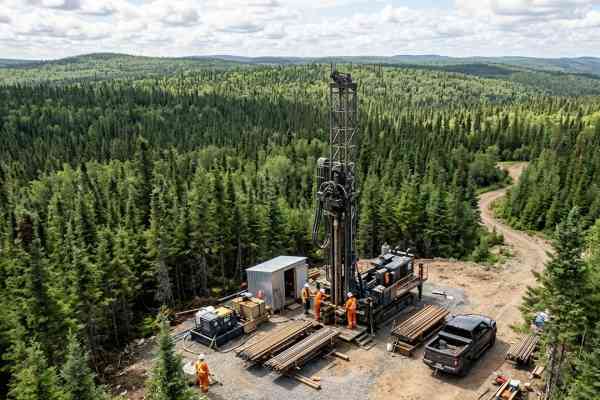
Copper, copper, copper! Whether it is data centers, smartphones, laptops, or electric vehicles—none of them can function without this red metal. Copper has been the top performer among all metals this year and even defied the dollar's strength in the spring. Now, however, it appears that the Greenback itself is entering a period of weakness. Rising yields on US Treasury bonds have forced the Federal Reserve to take action in the market. With a record debt level of USD 40 trillion, the US simply cannot afford such high interest rates. This should put an end, once and for all, to speculation about a Fed rate hike before the midterm elections in November. This environment is bolstering commodity markets, and copper is one of the biggest winners. That is why today we are taking a look at BHP, Power Metallic Mines and Freeport-McMoRan.
Read

Commented by Jens Castner on August 20th, 2026 | 07:50 CEST
Ammunition, Engines, Mines: Rheinmetall, Mercedes-Benz and Power Metallic Mines in the Raw Materials Race
The defence industry is booming, the automotive sector is electrifying—and both are competing for many of the same raw materials: copper, nickel, and platinum-group metals. Their production is often concentrated in politically sensitive regions such as Russia, while China controls a large share of global processing. The result: companies that fail to secure supplies in time risk production lines grinding to a halt. Rheinmetall needs these metals for ammunition and armoured vehicles, Mercedes-Benz needs them for batteries and electric motors, and Power Metallic Mines aims to supply them. We take a closer look at the potential upside for the shares of this trio.
Read

Commented by Matthias Schomber on August 18th, 2026 | 07:00 CEST
Watch the Rebound Potential of Mercedes-Benz and Nebius Group! Major News from Lahontan! Cars, AI Speculation and a Gold Rush!
The ongoing war in Iran, the tense situation surrounding the blockade of the Strait of Hormuz, and US President Donald Trump's unpredictable approach—ranging from maximum economic isolation of Tehran to surprising signs of de-escalation—are keeping stock markets on edge. The result is sharp swings in energy prices, shifting and sometimes surprisingly geopolitical alliances, and renewed inflation concerns. Decisions in Washington and developments in the Middle East are currently having a major impact on global stock markets. Investors face the difficult challenge of picking the right stocks in a market environment dominated by daily crisis headlines and Trump's unpredictable negotiating tactics. Today, we have selected three stocks to watch: Mercedes-Benz, Nebius Group, and Lahontan Gold. The latter has reported a 22% increase in its mineral resource, bringing the total to nearly 2.39 million ounces of gold equivalent at its flagship Santa Fe project. This report examines the latest figures, market rumors and operational developments at all three companies and highlights where investors should be looking more closely now.
Read

Commented by Stefan Feulner on August 17th, 2026 | 07:25 CEST
BYD, dynaCERT, Lucid: New Models and New Markets Fuel Share Price Potential
The mobility transition is in full swing, but the internal combustion engine will not disappear overnight. While electric vehicle manufacturers are making inroads with new models, longer ranges, and ever-shorter charging times, millions of trucks, construction machines, and industrial power units worldwide will remain in use for years to come. This creates a massive transition market. New propulsion systems must grow, while existing engines must become more efficient and produce fewer emissions. Three companies are tackling different aspects of this transformation.
Read
Commented by Matthias Schomber on August 13th, 2026 | 07:10 CEST
BYD, BMW, and RE Royalties in the Spotlight: Price War, Plummeting Profits, Job Cuts, and Green Dividends
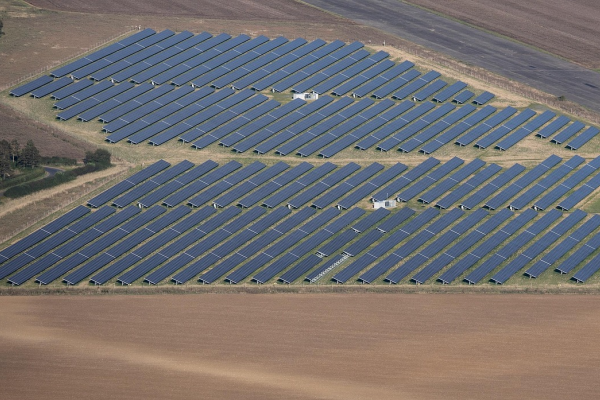
Globally, it currently seems as though the auto industry is sitting on a veritable powder keg. Industry giants like BYD and BMW are embroiled in a fierce, perhaps even ruinous, price war. Established automakers are grappling with painful profit slumps and drastic market shifts. Investors, however, are increasingly seeking stable alternatives. As a result, stocks from various sectors, including renewable energy, may now step into the spotlight. One exciting player in this space is RE Royalties. The Canadian company is a pioneer in financing green projects. Even aside from the major automotive crises, it continues to grow steadily. Can this stock really be a safe haven? We take an in-depth look at the current developments at three companies. We compare hard facts and analyze technical charts. Traditional auto manufacturing meets Asian dominance and innovative financing. Read on and discover the opportunities offered by this trio.
Read

Commented by Matthias Schomber on August 3rd, 2026 | 07:45 CEST
Alarm at Volkswagen, Steyr Motors Takeover Called Off! When Will dynaCERT Spark a Long-Awaited Breakout?
While some of Germany's largest automakers are grappling with a deepening crisis and planning historic restructuring measures, other well-known companies are also facing major challenges. Volkswagen is struggling with a sharp decline in vehicle sales and sweeping cost-cutting plans that have unsettled investors, a trend reflected in the company's weakening share price. At the same time, Austrian engine specialist Steyr Motors is navigating a highly challenging market environment and is being forced to redefine its strategic direction. Most recently, the company put an end to takeover speculation after acquisition talks failed to result in a transaction. Amid these turbulent times, investors are turning their attention to smaller players, such as the Canadian cleantech company dynaCERT. The company has developed an innovative technology for internal combustion engines designed to reduce fuel consumption and emissions, potentially delivering meaningful cost savings for fleet operators.
Read

Commented by Armin Schulz on August 3rd, 2026 | 07:20 CEST
Power Metallic Mines, BYD, Intel: Without This Often-Overlooked Raw Material, Electric Mobility and AI Would Grind to a Halt
In the coming years, electric mobility and artificial intelligence will become key drivers of the economy. Together, they drive the demand for copper. Without this red metal, there would be no electric vehicles, and data streams would dry up too. It is no coincidence that the price of copper has risen significantly over the past year. Many investors still have yet to recognize this bottleneck and are focusing instead on the latest AI models or the increased ranges of electric vehicles. Yet there could be significant untapped potential in the mining sector in particular, because as AI and robotics make production more efficient, the demand for raw materials will increase. Today, we take a closer look at the polymetallic mineral explorer Power Metallic Mines, the electric vehicle manufacturer BYD, and the chipmaker Intel.
Read
Commented by Nico Popp on July 29th, 2026 | 07:45 CEST
Battery Metals Bottleneck: Volkswagen and BHP Under Pressure as Power Metallic Mines Faces Weeks of Truth
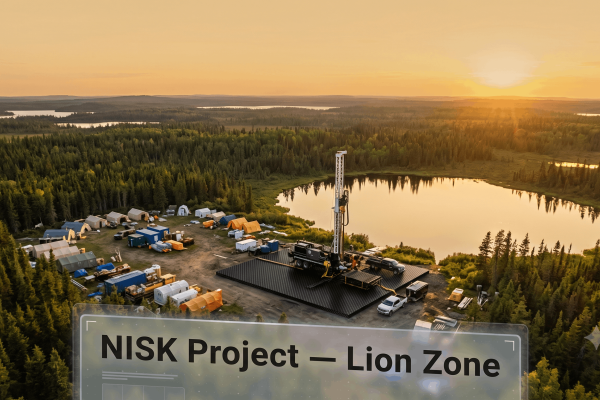
Electric vehicles are becoming an increasingly common sight on German roads, driven in part by the arrival of aggressively priced models from China. However, the rapid growth of electric mobility is placing mounting pressure on automotive supply chains. Automakers are grappling with volatile markets while becoming increasingly concerned about securing reliable access to critical raw materials. Commodities are no longer viewed as readily available inputs but as strategic assets essential to industrial competitiveness. This complex situation calls for new alliances: mining companies, major automakers, and dynamic project developers are pulling out all the stops to secure raw materials for the future.
Read

Commented by Stefan Bode on July 29th, 2026 | 07:00 CEST
US Uranium Independence in Focus, T-Mobile US Under Pressure, Volkswagen Cuts Forecast – American Atomics, Deutsche Telekom, Porsche
The Iran war and the potential for escalation into neighbouring countries remain firmly on investors' radar despite the temporary pause in US air strikes. This report examines current developments at companies from various sectors that are currently attracting market attention. Whether it is strategic realignments to secure critical raw materials, turbulent share price reactions among telecommunications giants following earnings season, or the margin challenges facing European automakers in the Asian market—the latest market data offers plenty of potential for volatility. Find out which fundamental metrics and trends are now becoming decisive for investors.
Read