July 12th, 2023 | 07:20 CEST
Top news: Volkswagen with problems, Plug Power and dynaCERT profit
Is the electric motor stuttering at Volkswagen? Recent reports indicate that it is. Prices for the ID.3 have been massively reduced in China, and most recently, Handelsblatt reported on sales problems for the Wolfsburg-based company's electric models in Europe. In the hydrogen sector, however, the mood has improved considerably. BloombergNEF predicts significant economies of scale for the industry, and the successful IPO of ThyssenKrupp Nucera illustrates investor interest. Pure-play Plug Power and newcomer dynaCERT can also benefit from this. dynaCERT is convincing with a positive newsflow, and one customer believes in a revolution. Analysts see 30% share price potential for Plug Power.
time to read: 3 minutes | Author: Fabian Lorenz
ISIN: VOLKSWAGEN AG VZO O.N. | DE0007664039 , PLUG POWER INC. DL-_01 | US72919P2020 , DYNACERT INC. | CA26780A1084
Table of contents:
Author

Fabian Lorenz
For more than twenty years, the Cologne native has been intensively involved with the stock market, both professionally and privately. He is particularly passionate about national and international small and micro caps.
Tag cloud
Shares cloud
dynaCERT: "Revolutionizing the Hydrogen Economy"
With a positive newsflow, dynaCERT convinces in the current year. This could make the share one of the positive surprises in the second half of the year. After all, the Canadians are going full throttle with the commercialization of their technology in 2023. The Company now has three hot irons in the fire: HydraGEN technology to reduce fuel consumption and emissions from commercial vehicles, a partnership with Cipher Neutron in the field of electrolysers, and the opportunity for recurring revenue through emissions trading.
The latest success story came last Friday when partner Cipher Neutron won a new customer in Taiwan. Blade Hydrogen has ordered its first 10-KW AEM electrolyser stack for green hydrogen production. This is a test order, and following successful implementation in a stationary power generation project in Taiwan, a follow-up order in the megawatt range is planned.
Mark Lin, Vice President of Blade Hydrogen said, "Cipher Neutron's AEM technology perfectly complements our ongoing projects in Taiwan. We are excited to bring PFAS and PGMs-free AEM electrolysis technology to market for a greener and more sustainable future for Taiwan and the rest of the world. Cipher Neutron's new products, which include 100-kilowatt and 250-kilowatt AEM electrolysers, will revolutionize the international hydrogen economy, and we are proud to be part of this transition."
If the positive newsflow of the past months continues, a significantly higher share price than the current EUR 0.16 should also be possible.
Plug Power: Citigroup starts coverage
While dynaCERT has a market capitalization of around CAD 86 million and does not yet appear to be pricing in all the positive future prospects, Plug Power already has a market capitalization of USD 6.5 billion. Currently, the shares of the hydrogen pureplay from the US are struggling to reach the USD 10 mark. In August 2022, Plug Power's stock reached USD 30; in May of this year, it was at USD 7. Like many hydrogen stocks, Plug Power is not for the faint of heart. However, Citigroup sees around 30% upside potential.
The analysts of the US bank have included Plug Power in their coverage and recommend the share as a buy with a price target of USD 13. From the analysts' point of view, however, shareholders need staying power and must rely on continued government support. Currently, the industry would still suffer from high costs. The analysts do not expect a strong upswing in demand until 2027 when the costs of hydrogen transport and infrastructure could be reduced.
According to a study by BloombergNEF, these very scale effects are expected in the coming years. In particular, by 2030, cheaper renewables and electrolysers are expected to bring the price of green hydrogen down to below USD 2 per kilowatt hour. Even in Germany, experts see prices below USD 2 - this would be more than a halving from the current level. Production in China and Brazil is said to be particularly favourable.
Volkswagen with sales problems
Volkswagen now has a large model range in the field of e-cars. However, the one under the ID family name is selling poorly this year. In China, the group will probably have to go along with the discount battle instigated by Tesla at the beginning of the year. According to various media reports, VW is offering the ID.3 in China for the equivalent of EUR 15,900. Previously, the price was around EUR 20,000; in Germany, the cheapest model variant costs around EUR 40,000. Although the special promotion in China is probably limited to 7,000 vehicles, consumers quickly get used to lower prices. So it is doubtful that demand will be high at the original price.
And Volkswagen's ID models are not a big seller in Europe either. Handelsblatt, for example, reported missed sales targets. According to the report, the Wolfsburg-based company produced 97,000 ID vehicles in Europe in the first five months of the current year but sold only 73,000 of them. The report said that orders in the private customer segment were well below the Company's target for the year. A spokeswoman for the brand had said when asked that Europe's largest car company was currently feeling a "reluctance to buy e-cars," but that this was also the case with other manufacturers.
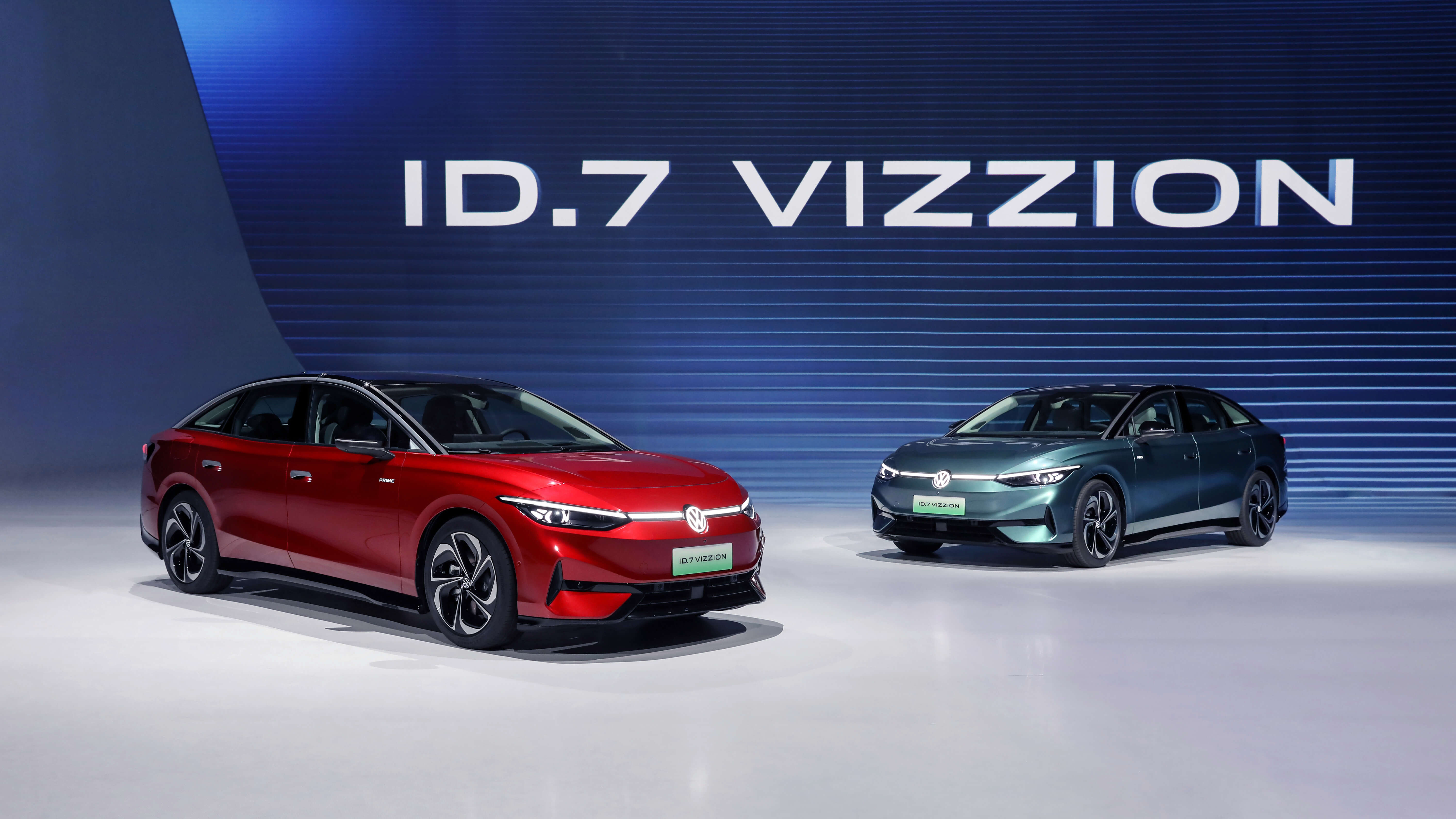
The long-term prospects for hydrogen are clearly positive. But companies like Nel and Plug Power need to cut costs to really explode demand. At the same time, pureplay valuations are already ambitious. That is where it can pay off to bet on niche specialists like dynaCERT. If the positive newsflow continues, the Canadians are anything but highly valued. At Volkswagen, the e-models do not seem to be convincing. The price war this year could be brutal for some manufacturers. VW's advantage is its solid business with internal combustion engines.
Conflict of interest
Pursuant to §85 of the German Securities Trading Act (WpHG), we point out that Apaton Finance GmbH as well as partners, authors or employees of Apaton Finance GmbH (hereinafter referred to as "Relevant Persons") currently hold or hold shares or other financial instruments of the aforementioned companies and speculate on their price developments. In this respect, they intend to sell or acquire shares or other financial instruments of the companies (hereinafter each referred to as a "Transaction"). Transactions may thereby influence the respective price of the shares or other financial instruments of the Company.
In this respect, there is a concrete conflict of interest in the reporting on the companies.
In addition, Apaton Finance GmbH is active in the context of the preparation and publication of the reporting in paid contractual relationships.
For this reason, there is also a concrete conflict of interest.
The above information on existing conflicts of interest applies to all types and forms of publication used by Apaton Finance GmbH for publications on companies.
Risk notice
Apaton Finance GmbH offers editors, agencies and companies the opportunity to publish commentaries, interviews, summaries, news and the like on news.financial. These contents are exclusively for the information of the readers and do not represent any call to action or recommendations, neither explicitly nor implicitly they are to be understood as an assurance of possible price developments. The contents do not replace individual expert investment advice and do not constitute an offer to sell the discussed share(s) or other financial instruments, nor an invitation to buy or sell such.
The content is expressly not a financial analysis, but a journalistic or advertising text. Readers or users who make investment decisions or carry out transactions on the basis of the information provided here do so entirely at their own risk. No contractual relationship is established between Apaton Finance GmbH and its readers or the users of its offers, as our information only refers to the company and not to the investment decision of the reader or user.
The acquisition of financial instruments involves high risks, which can lead to the total loss of the invested capital. The information published by Apaton Finance GmbH and its authors is based on careful research. Nevertheless, no liability is assumed for financial losses or a content-related guarantee for the topicality, correctness, appropriateness and completeness of the content provided here. Please also note our Terms of use.