
Volkswagen AG
Commented by Armin Schulz on October 20th, 2026 | 05:39 CEST
VW, Strategic Resources, Infineon: EVs, Raw Materials and Chips - Three perspectives on the Auto Industry's Transformation
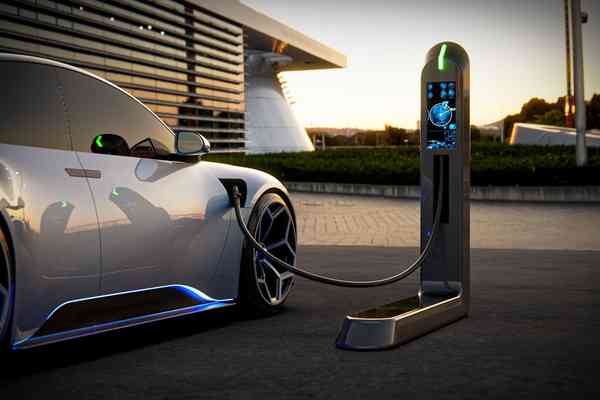
In September, more than one in three new cars registered in Germany was fully electric. According to the Federal Motor Transport Authority (KBA), battery-electric vehicles accounted for 34.5% of new registrations. Automakers must adapt their model line-ups in a short period of time, and this requires substantial investment. But the transformation extends beyond the factory gates. Building electric vehicles requires reliable sources of raw materials such as vanadium, used in high-strength steel (ideally produced using green methods) and in batteries. Power semiconductors are also essential, controlling and converting electrical power within vehicles. Companies capable of supplying these materials and components could benefit from this shift. We therefore take a closer look at Volkswagen, Strategic Resources and Infineon.
Read
Commented by André Will-Laudien on October 13th, 2026 | 05:24 CEST
E-Mobility in Rally Mode! VW and Stellantis Face TÜV Inspections as dynaCERT, BYD and Tesla Show Steady Growth
Donald Trump's surprise diesel deal with Vladimir Putin breaches Western sanctions, but the commitment to Ukraine stands. At the same time, Houthi attacks on Riyadh's airport are driving oil prices to unpredictable heights. With Brent above USD 100 a barrel, that is reason enough to switch powertrains! Supported by the electric vehicle environmental incentive, motorists are increasingly fleeing the price spiral at the pump, with alternative technologies in greater demand than ever. The clean transition relies heavily on e-mobility and green hydrogen as the future's ultimate energy carriers. But the energy transition does not only produce winners! While the struggling giants VW and Stellantis are deep into restructuring amid shrinking margins, agile challengers from the Far East and overseas dominate the field. Pioneer Tesla is delivering good figures, but its Chinese competitor BYD has long since overtaken it. At the same time, dynaCERT is demonstrating how highly innovative hydrogen technologies can make powertrains in heavy goods transport more energy-efficient. Investors should sharpen their focus, as the automotive market is currently reinventing itself.
Read
Commented by Carsten Mainitz on October 9th, 2026 | 07:10 CEST
dynaCERT, Volkswagen and Plug Power: Between Breakthrough and Cost Pressure! Who Will Take Off and Who Will Fall Behind?
Volkswagen shows how rising costs and intensifying competition can put even an industry veteran under pressure. Have the deep cuts and strategic adjustments come too late, and can closer partnerships help turn things around? Plug Power recently landed a notable major order. Yet its gross margin in the latest quarter came close to zero. dynaCERT is taking a very different approach. The Canadian company makes diesel engines more fuel-efficient and environmentally friendly through retrofit technology. The innovative bridging technology has proven itself in numerous pilot projects, and commercialization is now gaining momentum. Analysts at the research firm GBC believe the stock is significantly undervalued.
Read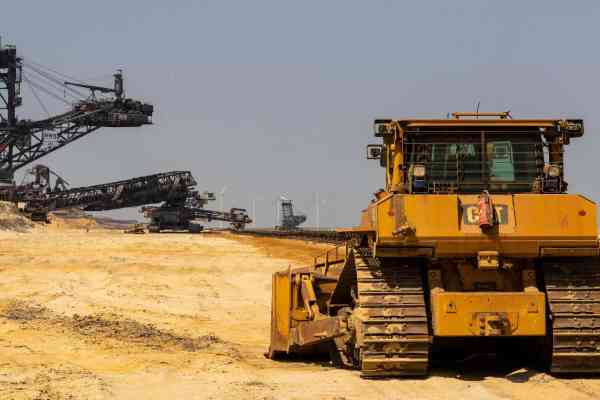
Commented by Matthias Schomber on September 28th, 2026 | 07:20 CEST
The Hunt for Returns Begins: Volkswagen and BYD Set for a Rebound? Globex Mining Breaks Out!
Everyone is looking for returns in the stock market. The autumn hunt for high-return stocks has begun, and we have found some interesting candidates. While Germany's homegrown automaker Volkswagen is in the middle of a difficult and costly transformation, its Chinese rival BYD is pushing aggressively into the European market with smart pricing strategies. Both stocks could now offer rebound potential. But it is not just the automakers that are seeing interesting developments. Smaller companies that are not necessarily on investors' radar also deserve a closer look. The commodities company Globex Mining is not only positioning itself operationally but has also managed a technical breakout above a key resistance level. We take a closer look at these three stocks, assess their return potential and evaluate their current situation.
Read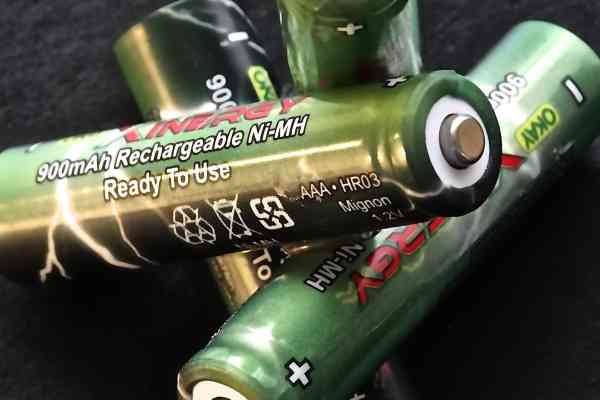
Commented by Armin Schulz on September 25th, 2026 | 09:50 CEST
Volkswagen, HPQ Silicon, AeroVironment: How Investors Can Profit from the Battery and Drone Boom
The lines between defence and automotive are blurring. Defence budgets are reaching record highs, while the auto industry is undergoing a complete transformation. In between, a new value chain is emerging, built on batteries, silicon and autonomous systems. After all, drones and an ever-increasing amount of military technology also require better batteries. Electric mobility needs them too. Those who understand the intersections are a step ahead of the masses. Headlines are of little help here. What counts are supply chains, patents and full order books. That is why we are taking a closer look at Volkswagen, HPQ Silicon and AeroVironment today.
Read
Commented by Stefan Bode on September 22nd, 2026 | 07:30 CEST
Between Change and Undervaluation – Berkshire Hathaway, Porsche, RE Royalties, Volkswagen and Warren Buffett
The most interesting opportunities in the stock market often emerge where perceived certainties and market consensus begin to erode. Especially when leadership changes are announced, and valuation discounts and operational cutbacks redefine a company's outlook, investors should take a closer look. Today's commentary examines such situations, highlighting how capital allocation, the market environment and strategic management decisions can shape expectations, risks and potential revaluations. In uncertain phases, a deeper look can offer important insights into the factors that may drive gains and losses in the coming quarters.
Read
Commented by André Will-Laudien on September 21st, 2026 | 07:15 CEST
E-Mobility in the Grip of Energy Prices! Things Are Heating Up for VW, Porsche, Mercedes, BYD and Phenom Resources
Filling up currently feels like a painful visit to the dentist — but without much hope of a cure! Yet despite all the gloom, there are also winners. Against the backdrop of rising energy prices, European e-mobility has entered a dynamic yet fiercely competitive phase in recent months. The historic price shock at the pump is prompting consumers to rethink their spending while driving a boom in new battery electric vehicle registrations. In Europe, electric vehicles now appear on the horizon as a subsidized solution, while gasoline and diesel prices march from one all-time high to the next. However, the charts so beloved by stock market traders are difficult to apply to gas station products. As the operating costs of internal combustion engines soar, electric vehicles are rapidly gaining appeal as an alternative. This is particularly good news for Chinese automakers, who are pushing into Europe with an aggressive market strategy and challenging the established, traditional brands. Even the import tariffs imposed by Brussels on pure-electric vehicles can barely slow the advance from the Far East. The local automotive industry is thus under unprecedented pressure to transform and compete. Where exactly should investors be looking?
Read
Commented by Armin Schulz on September 14th, 2026 | 07:50 CEST
Power Metallic Mines, Volkswagen and RWE: Raw Materials, Cells, Grid — Benefiting from the Germany-Canada Pact
Europe aims to expand battery production in 2026, but without raw materials, cells, and electricity, every target remains fragile. Regulations on carbon footprints and battery passports are increasing the pressure. Europe remains dependent on supply chains from Asia. Anyone looking to reduce this dependence needs secure access to raw materials, gigafactories and energy storage. Germany and Canada are currently in formal talks on a comprehensive Canada-Germany Strategic Partnership Agreement, which is also intended to cover raw materials, energy and investments. The aim is to strengthen raw material security—all the more reason to take a closer look at Power Metallic Mines, Volkswagen and RWE.
Read
Commented by Lars Winter on September 11th, 2026 | 08:15 CEST
Standard Uranium, Volkswagen and Inditex: Three Stocks with Explosive Potential
A drill core can have a bigger impact on a small resource explorer than a billion in additional revenue for a global corporation. What matters is how much a piece of news shifts expectations. Uranium explorer Standard Uranium is searching for the big find in Canada, Volkswagen is embarking on a far-reaching corporate restructuring, and Zara's parent company Inditex is proving that fashion can be a lucrative business. Three very different stories - and ones investors should take a closer look at now.
Read
Commented by André Will-Laudien on September 10th, 2026 | 09:40 CEST
AI: The Game-Changer for Industry - VW, Strategic Resources, BYD and NIO in Focus
The next major upheaval is here! Industry is facing a radical transformation as artificial intelligence disrupts established market structures at record speed. Industrial companies and service providers alike must adapt now to avoid falling behind in global competition. In this context, the long-established German manufacturer VW is under immense pressure to accelerate its digitalization efforts and finally resolve its software issues. The electric mobility market, long driven by highly sophisticated algorithms, is proving particularly dynamic. The Chinese giant BYD is impressively showing how vertical integration and smart manufacturing can drive unprecedented market share. But premium competitor NIO is not resting on its laurels either and is setting new standards in vehicle connectivity and autonomous driving systems. Furthermore, innovative players in the raw materials sector, such as Strategic Resources, are coming into focus as they aim to play a decisive role in the AI-driven value chain. The spectrum ranges from traditional industry through digital disruption to the procurement sector—a compelling area of activity for dynamic investors.
Read