
VIDAC PHARMA HOLDING PLC

Commented by Nico Popp on October 6th, 2026 | 07:35 CEST
Fighting Skin Cancer: How Vidac Pharma, Biofrontera and Regeneron Target Different Stages
At the recent annual meeting of the European Academy of Dermatology and Venereology in Vienna, the focus was on new approaches to treating extensive skin damage. The fight against skin cancer is shifting: It is no longer just about combating developed tumors, but about stopping the disease before it breaks out. Destroying diseased cells early on spares patients from major surgeries and eases the burden on the healthcare system. We present the latest developments and opportunities for investors.
Read

Commented by Jens Castner on September 28th, 2026 | 07:10 CEST
WHEN STOCK PRICES AND REALITY COLLIDE: THE WEEK OF TRUTH FOR BYD, VIDAC PHARMA AND FEDEX
This week holds a fascinating lesson for investors. BYD, Vidac Pharma and FedEx, three publicly traded companies that could hardly be more different, are holding their annual shareholder meetings: a Chinese auto giant, a British-Israeli biotech minnow, and an American logistics conglomerate. Current developments reflect three completely different realities. The spectrum ranges from global market battles to controversial issues regarding insider stock sales and executive compensation. Two of the stocks have recently lost about half their value. The third, while down significantly from its all-time high after a record run, is still clearly up for the year. Read on to learn about the opportunities and risks this presents.
Read

Commented by Nico Popp on September 25th, 2026 | 07:50 CEST
Breakthroughs in Skin Cancer Treatment: New Approaches from Biofrontera and Moderna – Vidac Pharma Faces a Busy Fall
For a long time, the treatment of skin cancer and its precancerous stages resembled a makeshift compromise: Doctors used scalpels, froze affected areas, or prescribed aggressive creams that destroyed tissue. It was not uncommon for patients to suffer pain and weeks of delayed wound healing. But a completely new dynamic is currently emerging in the sector. Suddenly, innovations involving light beams, messenger RNA (mRNA), and the metabolic reprogramming of cancer cells are making headlines. We present the latest developments in skin cancer and its precancerous stages. The race for innovation has only just begun.
Read

Commented by Carsten Mainitz on September 15th, 2026 | 10:30 CEST
New Approaches to Fighting Cancer: Why Vidac Pharma, BioNTech and Evotec Deserve Attention
Cancer cells use sophisticated defence mechanisms to evade the immune system and reprogram their own metabolism. These mechanisms are now increasingly being targeted by biotech companies. BioNTech has more than EUR 16 billion in cash and is driving the next generation of immunotherapies. Evotec is scaling up drug development through strong alliances but has eroded investor confidence. This skepticism is weighing on its share price. Developments at Vidac Pharma are particularly exciting. The company focuses on the metabolic reprogramming of malignant cells. Results from a potentially groundbreaking Phase 2b trial are imminent. Which approach offers the greatest promise?
Read
Commented by Nico Popp on September 9th, 2026 | 07:30 CEST
Biotech Boom Thanks to Synergies: AstraZeneca Bets on Platforms, Almirall Forges Alliances, and Vidac Pharma Has the Multi-Tool
Everyone in Germany knows the situation: doctors' offices are crowded, and the healthcare system is stretched to its limits. But even when waiting rooms are full, there are still rays of hope. In Europe, research is being conducted successfully in many areas. As standard drugs gradually lose their patent protection, a new era is dawning. While cutting-edge research in Germany is still considered brilliant, it has all too often failed to translate findings into products. But that is changing. A new generation of European pharmaceutical players is closing the gap with the competition and showing that groundbreaking therapeutic advances no longer have to come exclusively from overseas. We take a look at some exciting companies.
Read

Commented by Fabian Lorenz on September 1st, 2026 | 07:45 CEST
Potential Moderna-Style Share Surge? Takeover Candidates Evotec, Valneva and Vidac Pharma in Focus — Analysts Bullish
Moderna has shaken up the biotech market with its breakthrough in the fight against skin cancer. Partner Merck has received somewhat less attention in the coverage, despite preparing for the eventual patent expiration of one of its blockbuster drugs. Other pharmaceutical companies will also need to replenish their pipelines in the coming years. As a result, the takeover merry-go-round is likely to pick up speed again, potentially electrifying investors. One hot candidate is Vidac Pharma. Recruitment for its Phase 2B trial into high-risk actinic keratosis, a precancerous skin condition, has been completed. The results could provide a catalyst for the stock. Valneva's share price has recently risen sharply. Could its partner Pfizer eventually make a move? Analysts are recommending the stock. And what about perennial takeover candidate Evotec? Shareholders and potential buyers are currently giving the share a wide berth. Yet there is a "Buy" recommendation on the table.
Read

Commented by Stefan Feulner on August 24th, 2026 | 07:50 CEST
Merck, Vidac Pharma, Moderna: New Cancer Treatments Send Stock Markets Soaring
A breakthrough in cancer research sent the stock market into a frenzy last week. For the first time, a personalized mRNA therapy has achieved key endpoints in a large Phase 3 trial, adding billions in market value within hours. At the same time, smaller biotech companies are working on entirely different approaches to target tumors at one of their greatest vulnerabilities. The race for the next generation of cancer treatments is thus gaining momentum. The economic potential is enormous.
Read

Commented by Tarik Dede on August 17th, 2026 | 07:55 CEST
Cancer in Focus: Merck & Co., Vidac Pharma and AstraZeneca
According to the International Agency for Research on Cancer (IARC), part of the WHO, there are currently around 20.6 million new cancer cases worldwide. The annual death toll is estimated at approximately 10 million people. In recent years, more than 53 million people globally have received a cancer diagnosis. According to the WHO, the number of new cases per year is expected to rise to about 35 million by 2050. Two factors are generally cited as the main drivers: demographic change, with the global population getting older, as well as rising rates of obesity, physical inactivity, smoking and air pollution in many countries. Unsurprisingly, the oncology market is correspondingly lucrative. Oncology is the world's largest pharmaceutical market. There is, however, also some good news: the age-adjusted risk of dying from cancer is declining thanks to earlier detection, targeted therapies and advances in immuno-oncology. Today, we take a closer look at this market through the stocks of Merck & Co., Vidac Pharma and AstraZeneca.
Read

Commented by Armin Schulz on August 12th, 2026 | 07:05 CEST
Three Paths to the Cancer Drug of the Future: BioNTech, Vidac Pharma, and Pfizer Under the Oncology Spotlight
Oncology has become the most dynamic field of innovation in the pharmaceutical industry. The focus is not on finding a miracle cure, but rather on developing highly precise, personalized therapies that target tumors at the molecular level. For investors, this market, which is growing at double-digit rates, is attractive in the long term. While there is a world of difference between established corporations and agile biotech companies with groundbreaking technology platforms, both offer enormous potential for value appreciation. Today, we take a look at three companies that are aiming to discover the next blockbuster drug: BioNTech, Vidac Pharma and Pfizer.
Read

Commented by André Will-Laudien on August 4th, 2026 | 09:10 CEST
"Buy the Dip" in the Life Sciences Supercycle: Gerresheimer, Vidac Pharma, Novo Nordisk, and Pfizer as Top Performers of the Future
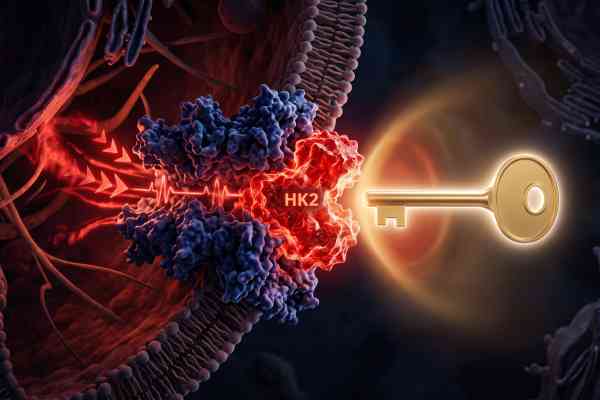
Rising healthcare spending, an aging population, and an unprecedented depth of research are propelling the life sciences sector into a multi-year supercycle. And there are some strong players! Gerresheimer stands out as a brilliant infrastructure asset and a leading provider of high-quality primary packaging. In the field of injections and biologics, the company benefits directly from the explosion of complex therapies and GLP-1 markets. Vidac Pharma is conducting research in the field of cancer and leveraging the Warburg effect for its upcoming studies—a classic high-beta play for investors betting on above-average growth. Novo Nordisk remains the undisputed flagship of the obesity and diabetes wave, and Pfizer is using the current lull in valuations as an opportunity to ignite the next phase of growth with a broad pipeline spanning oncology, vaccines, and new forms of therapy. Who belongs in the portfolio for the next life sciences boom?
Read