July 28th, 2022 | 05:30 CEST
Almonty Industries CEO Lewis Black on the global dependence on China
Lewis Black is the CEO of Almonty Industries and has over 15 years of experience in the mining industry. The company is specialized in acquiring operations and assets in tungsten markets. Tungsten is one of the critical raw materials and with this in mind, Almonty's work is of importance to many different processing industries around the globe. In the current tense situation in connection with supply chain issues and sanctions as well as environmental protection requirements, the company is increasingly coming into focus.
time to read: 1 minutes | Author: Mario Hose
ISIN: ALMONTY INDUSTRIES INC. | CA0203981034
Table of contents:
Author

Mario Hose
Born and raised in Hannover, Lower Saxony follows social and economic developments around the globe. As a passionate entrepreneur and columnist he explains and compares the most diverse business models as well as markets for interested stock traders.
Tag cloud
Shares cloud
How do you assess the global dependence of the technology industry on China and what opportunities does this present for Almonty Industries?
'As China controls roughly 83% of the global tungsten supply, the world has felt much of the ongoing supply chain problems stemming from the country’s dominance in the technology industry. With tungsten being an integral raw material needed in the production of semiconductors, batteries, vibrators in phones, and even the electrical circuit boards for the screens in the phones, other countries, such as the U.S, have been heavily impacted by China’s recovering supply chain, in which demand and prices have increased.
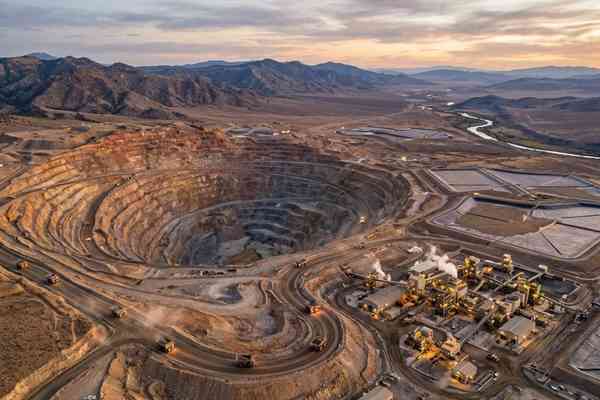
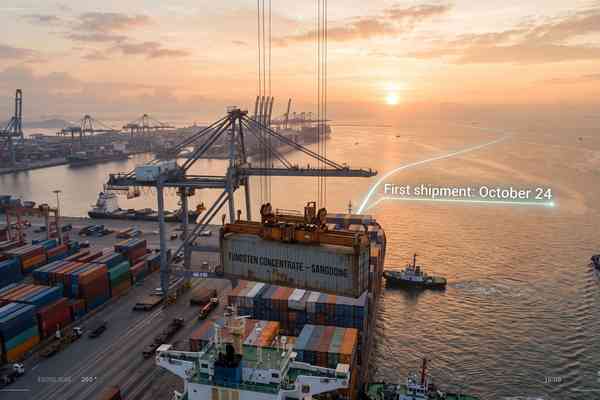
This comes after months of Chinese COVID-related disruptions, however, other tungsten miners outside of China, such as Almonty Industries, are seeing increased opportunities to diversify the supply by laying the groundwork for mines that will give manufacturers an alternative source of tungsten. For example, Almonty recently announced the reopening of its Sangdong Mine in South Korea, which gives hope that the tungsten stockpile will increase globally, breaking away from Chinese dependence.'
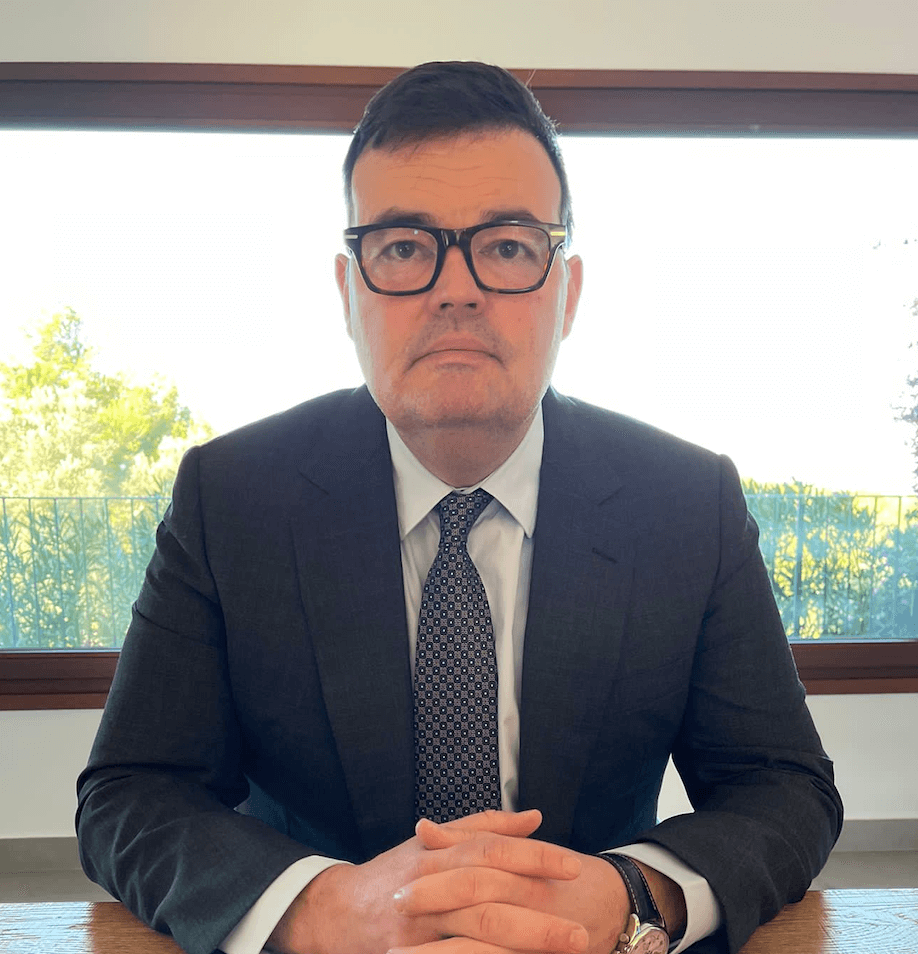
Lewis Black, CEO, Almonty Industries Inc.
Conflict of interest
Pursuant to §85 of the German Securities Trading Act (WpHG), we point out that Apaton Finance GmbH as well as partners, authors or employees of Apaton Finance GmbH (hereinafter referred to as "Relevant Persons") may hold shares or other financial instruments of the aforementioned companies in the future or may bet on rising or falling prices and thus a conflict of interest may arise in the future. The Relevant Persons reserve the right to buy or sell shares or other financial instruments of the Company at any time (hereinafter each a "Transaction"). Transactions may, under certain circumstances, influence the respective price of the shares or other financial instruments of the Company.
In addition, Apaton Finance GmbH is active in the context of the preparation and publication of the reporting in paid contractual relationships.
For this reason, there is a concrete conflict of interest.
The above information on existing conflicts of interest applies to all types and forms of publication used by Apaton Finance GmbH for publications on companies.
Risk notice
Apaton Finance GmbH offers editors, agencies and companies the opportunity to publish commentaries, interviews, summaries, news and the like on news.financial. These contents are exclusively for the information of the readers and do not represent any call to action or recommendations, neither explicitly nor implicitly they are to be understood as an assurance of possible price developments. The contents do not replace individual expert investment advice and do not constitute an offer to sell the discussed share(s) or other financial instruments, nor an invitation to buy or sell such.
The content is expressly not a financial analysis, but a journalistic or advertising text. Readers or users who make investment decisions or carry out transactions on the basis of the information provided here do so entirely at their own risk. No contractual relationship is established between Apaton Finance GmbH and its readers or the users of its offers, as our information only refers to the company and not to the investment decision of the reader or user.
The acquisition of financial instruments involves high risks, which can lead to the total loss of the invested capital. The information published by Apaton Finance GmbH and its authors is based on careful research. Nevertheless, no liability is assumed for financial losses or a content-related guarantee for the topicality, correctness, appropriateness and completeness of the content provided here. Please also note our Terms of use.