
decarbonization

Commented by Lars Winter on September 25th, 2026 | 07:15 CEST
Standard Uranium, 2G Energy and Secunet: Three Stocks with Promising News Flow and Upside Potential
A single drill core can have a greater impact on a small-cap resource stock than a major order does on an established machinery manufacturer. What matters is how much a piece of news changes the picture. Standard Uranium is hoping for a major discovery in Canada, 2G Energy is supplying power plants for the AI boom, and Secunet is benefiting from the demand for digital security. We present three exciting stories with promising news, but different risks and outlooks.
Read
Commented by Armin Schulz on September 10th, 2026 | 08:25 CEST
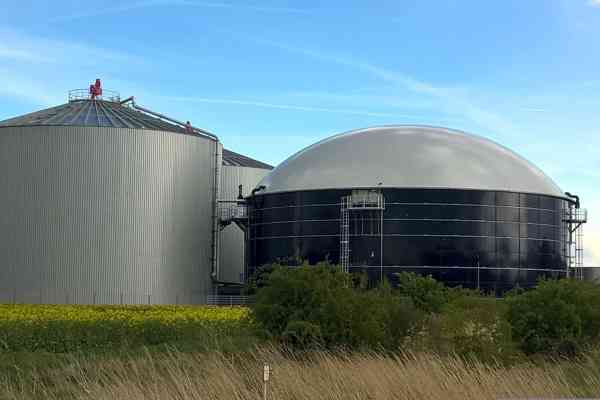
Germany's Gas Gap Is Growing! BASF, A.H.T. Syngas and Verbio Could Turn the Shortage into an Opportunity
Gas prices are fluctuating, storage facilities are emptier than they have been since records began, and the old security fossil fuels provided is crumbling. While Germany nervously looks ahead to the heating season, industry has long since pulled the ripcord. Turning to domestic, low-carbon gases is no longer a "green fairy tale", but a hard business necessity. Technology for converting waste materials into energy is taking centre stage, and the first companies are already posting rising margins. Amid this tension between a supply crisis and a technological breakthrough, it is worth taking a closer look at BASF, A.H.T. Syngas, and Verbio.
Read

Commented by Armin Schulz on September 9th, 2026 | 06:45 CEST
Why IAA 2026 Could Be the Starting Signal for dynaCERT, DHL and Caterpillar – and How to Benefit
When the IAA Transportation opens its doors in Hanover from September 15 to 20, the global logistics and heavy industry sectors will take centre stage. Artificial intelligence and the push toward carbon neutrality are forcing logistics giants and machinery manufacturers to transform. dynaCERT is presenting its bridging technology for existing diesel fleets, Deutsche Post is relaunching as DHL AG, and Caterpillar is focusing on AI-driven autonomous systems. The question is what will happen to existing fleets and how the industry will move forward. We take a closer look at the current situation at all three companies.
Read

Commented by Stefan Feulner on September 4th, 2026 | 07:30 CEST
Bloom Energy, A.H.T. Syngas, Veolia: Waste is Giving Rise to a Multi-Billion-Dollar Market
Waste and industrial residues are evolving from a cost factor into a valuable raw material. Rising energy prices, decarbonization and the enormous power demands of new data centres are driving up the economic value of technologies that convert previously unused materials into energy. At the same time, pressure is mounting on industry and local authorities not only to dispose of waste but also to recycle and repurpose it. This is giving rise to a multi-billion-dollar market at the intersection of the circular economy and energy supply.
Read
Commented by Armin Schulz on September 2nd, 2026 | 07:05 CEST
Volkswagen, Strategic Resources and TKMS: How to Capitalize on the Mega-Trend of Defence and Raw Materials
When a vehicle manufacturer becomes a defence contractor, a raw materials developer provides the key to green steel production, and a naval group reports record orders, a realignment of German industry is taking shape. Volkswagen is on the brink of its most profound transformation and is turning to the defence sector as a lifeline. At the same time, the race for strategic resources is intensifying. Without decarbonized steel, there can be no modern defence, and this steel requires specific grades of iron ore. This is precisely where Strategic Resources comes in. While thyssenkrupp Marine Systems is benefiting from full order books, a new value chain is emerging. Today, we take a closer look at the shares of Volkswagen, Strategic Resources and TKMS.
Read

Commented by Jens Castner on August 31st, 2026 | 07:25 CEST
Arms Boom Meets Steel Revolution: A New Era for Salzgitter, Strategic Resources and SSAB
Europe is rearming. Above all, the continent needs steel to do so. Tanks, frigates and submarines consume quantities of material that are pushing existing production facilities to their limits. At the same time, a quieter but equally consequential transformation is underway: the shift toward more climate-friendly steelmaking processes. Whoever controls the raw material supply chains behind this transition holds the key to a story that the market has yet to price in. This is where Strategic Resources, a still largely undiscovered small-cap, has all the pieces in place. The Canadian company delivers exactly what German industry heavyweights such as Salzgitter are desperately seeking. Swedish steel and armored steel monopolist SSAB has already begun exploring the opportunity.
Read
Commented by Stefan Feulner on August 24th, 2026 | 08:10 CEST
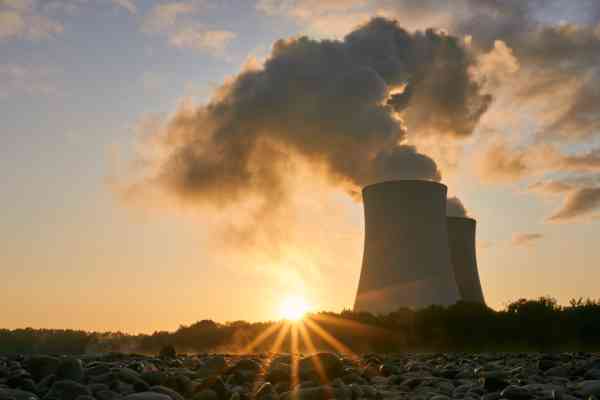
IsoEnergy, Standard Uranium and Energy Fuels: 3 Uranium Stocks Poised for a Price Surge
Nuclear power is making a comeback worldwide. Rising electricity demand driven by AI data centers, the need for security of supply, and the desire for low-carbon baseload power are fueling new reactor projects. But this is bringing one bottleneck increasingly into focus: uranium. The World Nuclear Association expects demand to rise by 28% by 2030 and to more than double by 2040. At the same time, Western nations aim to reduce their dependence on problematic supply chains. Three companies are positioning themselves for this new uranium cycle.
Read

Commented by Tarik Dede on August 24th, 2026 | 08:05 CEST
Energy Market in Focus: 2G Energy, A.H.T. Syngas Technology and SFC Energy
The energy market is undergoing a major transformation. The oil age is not coming to an end, but alternative energy sources are gaining ground and filling the gaps left by a geopolitically chaotic world. Historically, oil and gas prices remain at elevated levels. For end consumers, however, the current situation is having devastating consequences in some cases. Extremely high diesel prices are weighing on commuters, travelers, and freight carriers. Expensive kerosene is taking a significant toll on airlines' bottom lines. And the outlook is not necessarily improving. The wars in the Middle East and in Ukraine, as well as tensions involving Russia, are causing supply disruptions on a scale rarely seen before. Some experts are even warning that the impact on oil could exceed that of the oil crises of the 1970s. Decentralized energy solutions offer one way to reduce these dependencies. Today, we therefore take a closer look at the shares of 2G Energy, A.H.T. Syngas Technology and SFC Energy.
Read

Commented by Lars Winter on August 21st, 2026 | 09:00 CEST
A.H.T. Syngas on the Verge of a Breakthrough? Tonies Booms, RENK Sparks Takeover Speculation - Three Stocks to Watch
From a celebrated high-flyer to a forgotten micro-cap: A.H.T. Syngas has seen its share price plunge. But new projects, a growing pipeline, and a focus on scalable energy solutions are sparking fresh optimism. If the operational turnaround succeeds, the stock has the potential to multiply in value. Tonies also still offers upside potential. The manufacturer of the popular audio cubes for children continues to deliver strong growth and recently reported solid results. Meanwhile, transmission-system manufacturer and defense contractor RENK is also impressing operationally. The company is sitting on a record order backlog and is even considered a potential takeover target. Three stocks with completely different risk profiles—but each with clear catalysts driving their prices. We take a closer look at this trio in our stock review.
Read

Commented by Carsten Mainitz on August 21st, 2026 | 08:55 CEST
Do Not Miss These (Hidden) Champions of the Environmental Industry: Zefiro Methane, Siemens Energy and 2G Energy
Created and Published on Behalf of Zefiro Methane Corp.
Replacing fossil fuels and reducing greenhouse gas emissions are key to mitigating the negative effects of climate change. Decarbonization is being driven by international climate goals such as the Paris Agreement, legal requirements from the EU and national governments, and growing pressure from businesses, capital markets, and society at large. Alongside well-known players such as Siemens Energy and 2G Energy, which represent the transformation of global power grids and flexible, decentralized energy generation, Zefiro Methane stands out as a hidden champion in the remediation of legacy energy infrastructure, addressing a multi-billion-dollar market. Analysts at GBC see more than 200% upside potential for the Canadian company.
Read