
RIO TINTO PLC LS-_10

Commented by André Will-Laudien on October 6th, 2026 | 07:40 CEST
Commodities in Overdrive: BHP and Rio Tinto Cash In While Almonty Targets Critical Metals in Greenland
What investors are witnessing in the markets now amounts to an almost tectonic shift. Energy and commodity prices are surging, while interest rates have climbed to levels not seen in seven years. The East is embracing protectionism, while the US-led West is taking an increasingly assertive stance. In this capitalist imperialism of deep pockets, the US president's territorial claims over Greenland, administered by Denmark, have added another layer of geopolitical tension. These trends extend beyond the traditional mining business and are causing significant turmoil in futures markets. The geopolitical fault line runs right through the Arctic, where Greenland, thanks to gigantic deposits such as the Tanbreez project, is in the crosshairs of the Pentagon and Western security agencies. China continues to control large parts of the global supply chain, but the strategic agreement between Washington and Copenhagen is erecting a powerful barrier. At the same time, tungsten prices on the world market are soaring, outpacing almost all other critical minerals. This indispensable industrial metal, essential for the defense industry and the AI chip sector, is subject to drastic export restrictions. These supply bottlenecks are driving Western buyers to the brink of despair. A wild mix of megalomania, panic, and sabre-rattling. Where do the opportunities lie for investors with strong nerves?
Read

Commented by Armin Schulz on September 22nd, 2026 | 07:10 CEST
The Copper-Gold Boom: How Rio Tinto, Globex Mining and Franco-Nevada Benefit from the Same Megatrend
Copper and gold are both climbing to high levels at the same time. This is a rare occurrence. On the London Metal Exchange, a metric ton of copper most recently cost USD 14,779, while gold is trading at over USD 4,300 per ounce. Central banks purchased 288.9 metric tons of the precious metal in the second quarter alone. At the same time, global copper mine production fell by 1.1% in the first half of the year. It takes 12 to 15 years from discovery to the first metric ton mined. So the high prices cannot give the mines a quick boost. We will therefore look at three companies profiting from the shortage: Rio Tinto, Globex Mining and Franco-Nevada.
Read
Commented by Nico Popp on September 16th, 2026 | 06:45 CEST
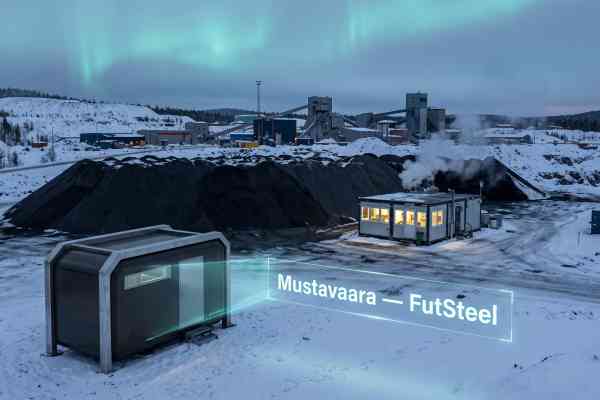
Transformation of the Steel Industry: Rio Tinto and Salzgitter Juggle Projects, Strategic Resources Impresses Researchers
No steel, no infrastructure. From massive bridges and sprawling wind farms to the striking skylines of the world’s major cities—steel is used everywhere. Yet this essential building material comes with a heavy environmental footprint. Current developments, as well as studies and research, show that the industry is facing a radical transformation. Traditional coal-fired blast furnaces have had their day. To protect the climate, new technologies are essential. We look at the latest trends and the companies involved, and highlight opportunities for investors.
Read
Commented by Armin Schulz on August 17th, 2026 | 07:15 CEST
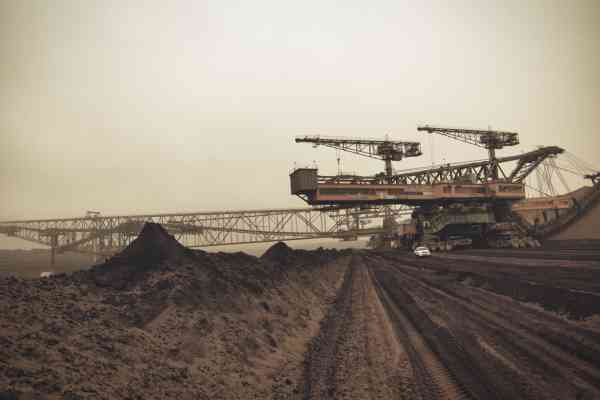
How to Profit from the Raw Materials Shortage: A Look at the Top Picks—Rio Tinto, Globex Mining and Glencore
A fierce battle is raging over raw materials. The green transition is not the only reason demand has skyrocketed. AI, specifically its data centers, and robotics are also driving demand even higher. Added to this are geopolitical dependencies and national supply concerns. The US is pushing for domestic production. China is buying up raw materials worldwide, and resource-rich countries like the Congo are imposing new export conditions. Those who run out of raw materials will lose their supply chains. We therefore take a closer look at Rio Tinto, Globex Mining, and Glencore today.
Read

Commented by Stefan Bode on August 4th, 2026 | 07:25 CEST
Commodity Companies Poised for Growth: BHP, Rio Tinto, Zefiro Methane
Megatrends such as the energy transition and the expansion of AI data centers continue to dominate stock market activity. This transformation requires massive investments in critical commodities and infrastructure. The following report analyzes three promising companies that are addressing precisely these structural bottlenecks. Whether as a global provider of essential metals with a solid dividend or as a specialized problem-solver in the modernization of old and construction of new energy grids—these stocks offer investors strategic entry opportunities into rapidly growing billion-dollar markets. Read now to find out which stocks promise long-term potential.
Read
Commented by Stefan Feulner on August 4th, 2026 | 07:10 CEST
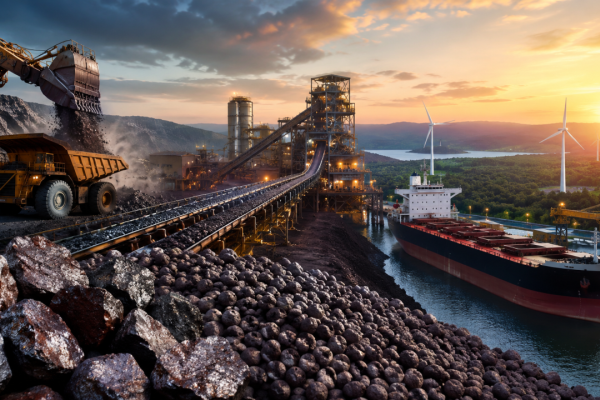
Fortescue, Strategic Resources, Rio Tinto: Why the Market for Premium Ore Could Explode Right Now
Iron ore is abundant on Earth. But the material needed for lower-carbon steel production could become scarce. Direct reduction plants require significantly higher-quality ore than traditional blast furnaces. At the same time, new steel production capacity is set to come online in India and Southeast Asia alone, while aging mines are disappearing from the market, shifting the competitive landscape. In the future, what will matter most is not just who supplies the most tonnage, but who can offer high-quality material, affordable energy, and the right infrastructure.
Read
Commented by Nico Popp on August 3rd, 2026 | 07:35 CEST
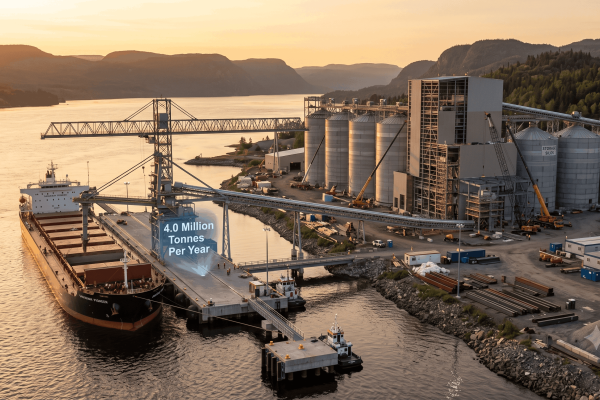
Green Steel Marks a Turning Point: How Rio Tinto and Champion Iron Are Struggling with Logistics – Strategic Resources as a Beacon of Hope
When steel mills are running at full capacity, the industry is satisfied—at least that was the case for many decades. Nowadays, however, what exactly goes into the furnaces is becoming increasingly important. The transition to low-emission steel is increasingly challenging traditional supply chains. Companies that want to produce sustainably and "green" today need clean raw materials. The major players in the steel industry have already recognized this. Raw material producers must therefore also rethink their approach. Innovative companies from Canada have recognized the signs of the times and are fully committed to meeting the steel industry's new requirements. We shine a spotlight on this development and introduce some exciting companies.
Read
Commented by Armin Schulz on July 31st, 2026 | 07:10 CEST
Forget Hydrogen: Mercedes-Benz, Strategic Resources, and Rio Tinto Show Where the Real Money Lies
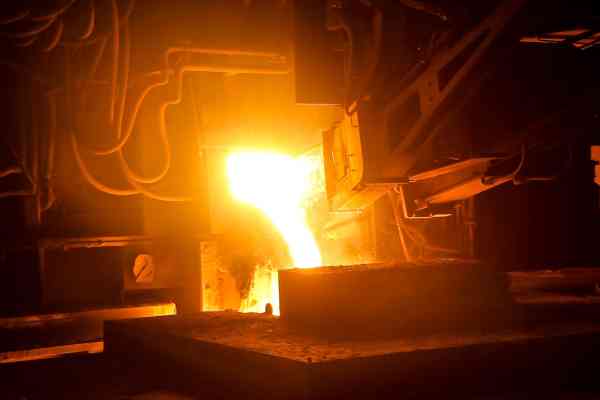
The steel industry is undergoing its most profound transformation since the blast furnace era. Steel production generates more greenhouse gases than global air and maritime traffic combined. While other sectors are already driving their own transformations, the steel industry's transition is still in its infancy. But it is precisely this delay that holds enormous potential. With the EU CO₂ border adjustment mechanism set to take effect in 2026 and rising permit prices, early investments in hydrogen-based processes will secure future market advantages. The crucial question is no longer whether, but who will control the scarce resources of green production. As an automotive giant, Mercedes-Benz secures the off-take; Strategic Resources enables direct reduction with vanadium-rich ore; and Rio Tinto is reshaping the global raw materials base through the Simandou project.
Read
Commented by Nico Popp on July 15th, 2026 | 08:30 CEST
Built on Sand? Barrick Mining Under Pressure, Rio Tinto Facing Headwinds, and North Arrow Minerals in a Strong Position
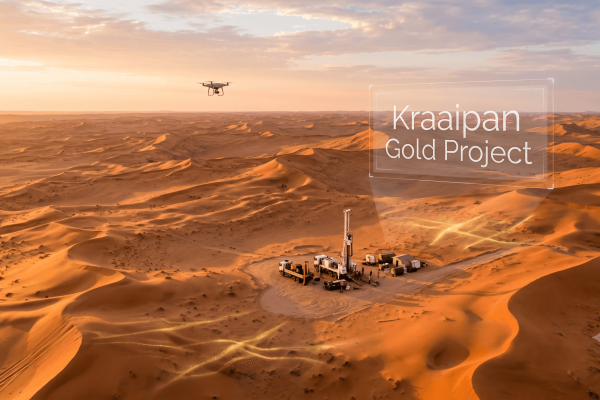
The demand for strategic metals, the challenging geopolitical environment, and new exploration methods—these factors are prompting established corporations and smaller exploration companies to adapt their business models in the face of these multifaceted challenges. While the major producers are streamlining their portfolios, which have grown over the years and are sometimes complex, smaller companies are demonstrating agility by divesting marginal projects and focusing on promising deposits in politically stable regions. We examine these developments and highlight exciting companies.
Read

Commented by Nico Popp on July 3rd, 2026 | 08:20 CEST
Legacy Assets as a Competitive Advantage: New Paths for Barrick and Rio Tinto – North Arrow Minerals Unlocks a Desert Treasure
There is no innovation without change. Breaking new ground is becoming increasingly important. But in which direction should companies be heading? Geopolitical upheavals, the restructuring of global supply chains, and the AI revolution are colliding with long-standing challenges such as climate change. While industrial companies must invest billions to remain competitive, resource companies are often in a stronger position, as raw materials sit at the very beginning of almost every value chain. Today, we take a look at companies that are consciously breaking new ground and outline the opportunities this may present for investors.
Read