
E.ON SE NA
Commented by Armin Schulz on October 19th, 2026 | 05:23 CEST
E.ON, Standard Uranium, Energy Fuels: Uranium Stocks Caught Between Rising Electricity Demand and Fuel Shortages
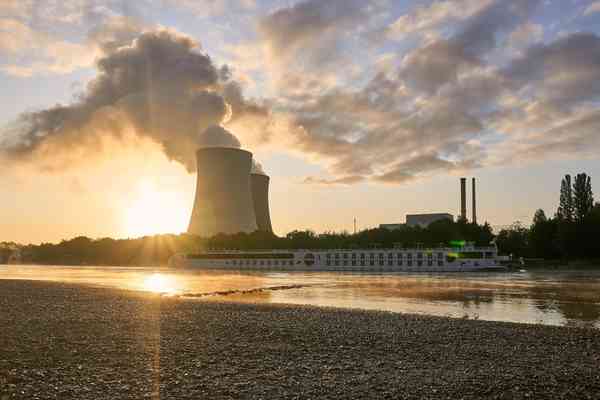
The long-term uranium price stood at USD 96.50 per pound at the end of September, according to producer Cameco. Power plant operators secure their fuel supply years in advance, and that is precisely where the pressure comes from. Data centres are driving up electricity demand, distribution grids must deliver it to customers, and the fuel has to come from somewhere. New mines do not start producing overnight. Anyone who discovers deposits or extracts uranium from the ground today is playing right into the hands of energy suppliers. Today we take a closer look at E.ON with its distribution networks, Standard Uranium and Energy Fuels.
Read
Commented by André Will-Laudien on September 10th, 2026 | 09:30 CEST
Gas Crisis This Winter? NU E Power, E.ON, Nordex and Siemens Energy in Focus
Created and Published on Behalf of NU E Power Corp.
A key question raised yesterday during the 2027 Bundestag budget debate: Is Europe facing a gas crisis this coming winter? Brussels appears to be backtracking significantly and is looking for suppliers, while the goal is to avoid artificially driving up prices. One thing is clear: European energy policy and commodity markets are currently high on the EU's agenda. Following the extreme turbulence of recent years, Europe once again faces the challenge of filling national gas storage facilities fully and in a timely manner to prevent shortages during the cold season. As a result, the ongoing uncertainty surrounding fossil fuel supplies is shifting the strategic focus ever more rapidly toward climate-neutral alternatives. Against this backdrop, established energy companies and innovative industry pioneers are playing an increasingly important role in the transformation of the energy sector. Industry giant E.ON is demonstrating its fundamental strength as an indispensable operator of critical energy infrastructure, while the businesses of wind and turbine specialists Siemens Energy and Nordex are also developing very well. In Canada, NU E Power is pursuing forward-looking concepts that could contribute to the evolving energy landscape. The following analysis takes a closer look at the developments shaping the sector.
Read
Commented by Carsten Mainitz on September 9th, 2026 | 07:05 CEST
Hidden Opportunities? Why Zefiro Methane, Verbio and E.ON Could Be Worth a Closer Look Now
Created and Published on Behalf of Zefiro Methane Corp.
The energy transition is changing the way energy is generated, transported, and used. Policymakers and legislators are establishing frameworks to reduce greenhouse gas emissions. This is creating a structural megatrend – decarbonization – with far-reaching implications for markets and investments. In addition to CO₂, methane is increasingly coming into focus. Methane is released, among other things, during the extraction, processing, and transportation of natural gas and crude oil. When it escapes into the atmosphere through leaks, it is around 80 times more harmful than CO₂ over the medium term. Zefiro Methane is positioning itself at this critical juncture. As a market leader in many US states, the company is eliminating legacy pollution from the fossil fuel industry and is thus tapping into a market worth billions. Its order books are full, and analysts are bullish. Experts are equally positive on Verbio and E.ON. Which company will benefit most from the ongoing structural transformation?
Read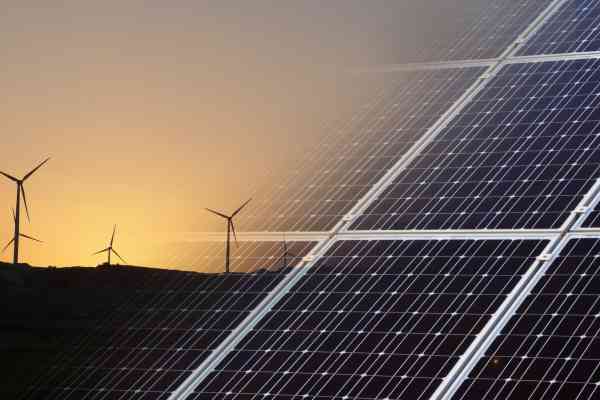
Commented by Armin Schulz on September 1st, 2026 | 07:10 CEST
Nordex, RE Royalties & E.ON: Three Ways to Profit from the Global Renewable Energy Grid Expansion
The global energy landscape is changing rapidly, as reflected in record levels of renewable energy capacity additions on both sides of the Atlantic. While wind power generation in Germany is reaching historic levels and grid expansion is accelerating, in North America the rising demand for electricity from data centres and generous subsidy schemes are driving a massive expansion in generation capacity. For investors, there are various investment opportunities along the renewable energy value chain. Today, we take a closer look at three companies that aim to capitalize on the global megatrend toward renewable energy: Nordex, RE Royalties and E.ON.
Read
Commented by André Will-Laudien on July 28th, 2026 | 07:40 CEST
Energy Power Shift: US on the Rise, EU Under Pressure – A Look at Standard Uranium, E.ON, ITM, and Plug Power
The next wave of the AI revolution will be decided not by algorithms, but by megawatts. The US energy agency, the IEA, projects that data center electricity consumption will rise to just under 1,000 TWh by 2030. An analysis by Goldman Sachs goes even further, forecasting that electricity demand driven by AI workloads could rise by up to 160% over the same period. This brings an often-underestimated question to the forefront of the capital markets: Who will supply the energy for the digital age? Utilities like E.ON and hydrogen specialists such as ITM Power and Plug Power are small cogs in a large machine room. Countries like China, the US, and the dynamic EU member Poland have recognized the challenges and are mobilizing for their next phase of nuclear expansion. The race for electricity is on, and it will determine who will be among the big winners in the AI era. Globally, uranium production remains concentrated in just a few regions. This makes the market vulnerable to supply disruptions, permitting risks, and geopolitical disruptions. Standard Uranium demonstrates what consistent exploration can look like at a time when demand for uranium to fuel new power plant capacity is rising. It is worth taking a closer look.
Read
Commented by André Will-Laudien on July 23rd, 2026 | 11:50 CEST
Things are heating up! Disappointment at Nel ASA - can A.H.T. Syngas, E.ON, and ITM Power deliver?
It is earnings season again! As is the case every year starting in mid-July, publicly traded companies are reporting on the past quarter. There is a lot of movement, especially among the highly watched tech stocks, some of which have suffered sharp price declines in recent weeks. Nel ASA has already reported its Q2 results, confirming the difficult situation in the hydrogen business with another revenue decline—though at least order intake is on the rise. With the climate and energy transition back in the spotlight amid summer temperatures nearing 40 degrees, we are also taking a look at its competitors in the energy sector. A.H.T. Syngas continues to grow in Poland, ITM Power secures additional EU funding, and E.ON is making acquisitions in the UK. So the M&A merry-go-round is spinning again—investors should remain on their toes despite the heat!
Read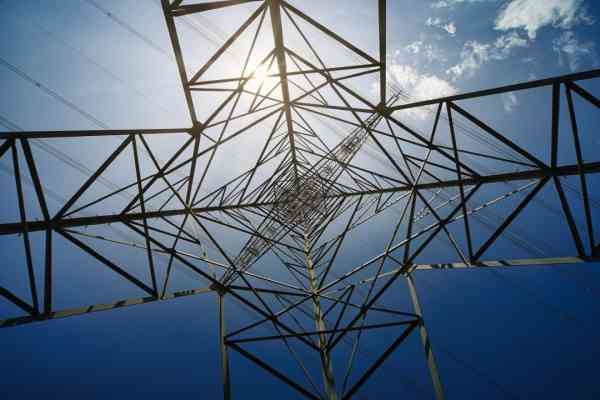
Commented by Carsten Mainitz on July 3rd, 2026 | 08:30 CEST
In the Fast Lane! Energy Infrastructure Is Gaining Momentum: Zefiro Methane, Siemens Energy, and E.ON Are Reaping the Benefits!
Is energy infrastructure the real winner of the energy transition? While Siemens Energy is driving electrification forward with state-of-the-art grid technology and E.ON is investing billions in the expansion and digitization of electricity distribution networks, Zefiro Methane, an infrastructure stock that has received little attention until now, is coming into focus. The Canadian company is tapping into a billion-dollar market centred on the decommissioning of abandoned oil and gas wells in the US, whose methane emissions cause significant environmental and climate impacts. Government incentive programs, a growing pipeline of projects, and strategic acquisitions are driving operational momentum. Recent news indicates that energy infrastructure could become the next growth driver for the stock, which analysts already consider undervalued.
Read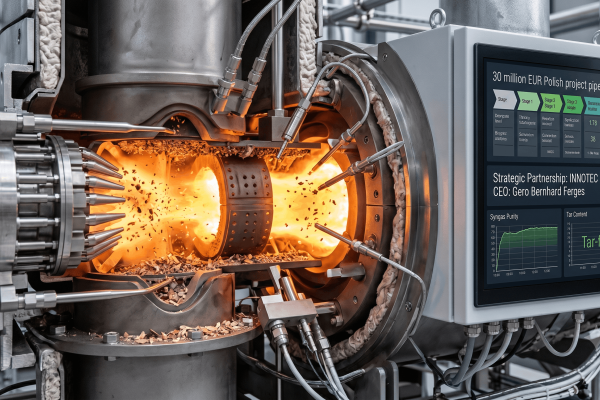
Commented by Nico Popp on June 22nd, 2026 | 06:35 CEST
Verbio, E.ON, and A.H.T. Syngas: Market Leaders and Challengers
The recent energy price shock and regulatory requirements are accelerating the transition to low-carbon alternatives to fossil fuels. As a result, the energy industry is transforming. To achieve the industry's ambitious decarbonization goals, energy providers are increasingly focusing on modular systems for utilizing biogenic residues. Major market leaders are increasingly securing technological scalability through acquisitions, as building green business models organically is a lengthy and risky process. Multi-billion-dollar acquisitions in the biomass and biogas sectors are driving a wave of consolidation. Decentralized solutions for generating baseload electricity and hydrogen have long been a key pillar of the energy transition. We highlight three companies.
Read
Commented by Carsten Mainitz on June 18th, 2026 | 10:00 CEST
Architects of the New Energy Economy: How A.H.T. Syngas, Verbio, and E.ON Benefit from the Circular Economy and Decarbonization
For a long time, the energy transition was primarily associated with solar panels, wind turbines, and the phase-out of fossil fuels. However, the picture is now much more complex and nuanced. Industry, agriculture, municipalities, and energy providers face the challenge of using raw materials more efficiently, reducing waste, lowering CO₂ emissions, and remaining economically competitive. The circular economy, resource efficiency, and the economic utilization of (regional) waste materials are gaining in importance. A.H.T. is positioning itself at this intersection with compelling solutions.
Read
Commented by Armin Schulz on May 21st, 2026 | 07:05 CEST
Siemens Energy, RE Royalties, and E.ON – Your Ticket to the Lucrative Future of Energy Infrastructure
Green infrastructure is booming—and with it, lucrative opportunities for investors. Despite rising capital costs, global decarbonization continues to drive the expansion of wind and solar power plants unabated. The crucial question is no longer whether, but how to turn this transformation into profit. The answer lies in the interplay of technology, financing, and grid operations. Three pioneers show how it is done: Siemens Energy as the technological backbone, RE Royalties as a creative investor, and E.ON as the heart of power distribution.
Read