
KRAFT HEINZ CO.DL -_01

Commented by André Will-Laudien on October 7th, 2026 | 09:00 CEST
Droughts, Floods, Wars! Crisis-Resilient Returns with Global Food Stocks Like Unilever, MustGrow, Bayer and Kraft Heinz
Created and Published on Behalf of MustGrow Biologics Corp.
In times of heightened geopolitical and climate-related crises, the food and agriculture sector is emerging as an increasingly critical industry. Droughts, storms, and devastating floods are presenting the global food industry with ever-greater challenges. Companies in this sector are committed to ensuring basic food security and are also driving the adoption of more sustainable farming practices. For investors, Bayer, Unilever, MustGrow, and Kraft Heinz are being put to the test, with their fundamental strength facing increasingly difficult conditions. British consumer-goods giant Unilever, for example, is placing greater emphasis on regenerative agriculture while leveraging its portfolio of global brands. US food giant Kraft Heinz, meanwhile, is seeking to withstand inflation and volatile supply chains with its portfolio of established consumer brands. At the same time, biotech company MustGrow is positioning itself with sustainable agricultural solutions designed to address increasingly extreme weather conditions, while collaborating with crop-science specialist Bayer. Current challenges are pushing food producers' business models to their limits. A closer look at the key metrics reveals who is truly prepared for the future of food.
Read

Commented by André Will-Laudien on August 26th, 2026 | 10:00 CEST
The Focus Is on Nutrition, Not Microchips: What Is on the Menu at McDonald's, Bayer, MustGrow and Kraft Heinz?
Created and Published on Behalf of MustGrow Biologics Corp.
The stock market is many things, but it is hardly sustainable. Trends change as quickly as the weather—chips are all the rage today, but tomorrow they are out of favor. Funnily enough, the lines of reasoning are similar whether the market is rising or falling. However, sustainability is of paramount importance in the food production sector and among publicly traded companies in it. This is because a consistent ESG focus in global food production has evolved from a mere image factor to an established guarantee of success. A recent study by the McKinsey Global Institute impressively demonstrates that companies with strong ESG structures have more resilient supply chains in the long term and enjoy significantly higher consumer loyalty. Giants like McDonald's and Kraft Heinz are driving this transformation by increasingly focusing on recyclable packaging, nature-based farming, and ethical sourcing of raw materials. However, this green transition would be virtually inconceivable without innovative suppliers and trailblazers at the base of the value chain. This is where the agricultural giant Bayer comes into play, laying the foundation for lower-emission crops through targeted investments in biological crop protection and regenerative agriculture. As an agile driver of innovation, the Canadian company MustGrow Biologics is tapping into this trend and revolutionizing the market with all-natural active ingredients derived from the mustard plant. It is worth taking a closer look at what really matters!
Read
Commented by André Will-Laudien on August 12th, 2026 | 08:05 CEST
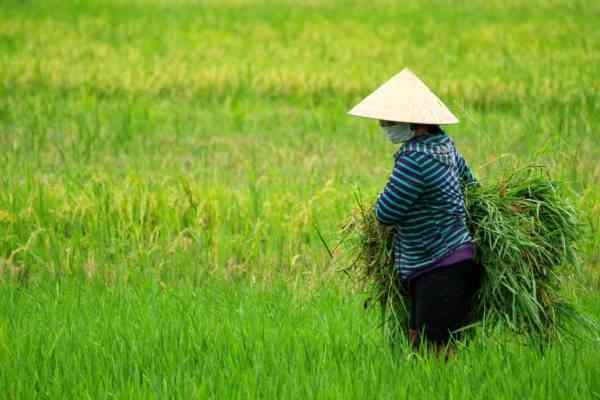
Heat, Drought, and Water Shortages: A Sector-Wide Buy Signal for Environmental Specialists Bayer, MustGrow, Kraft Heinz and Unilever
Created and Published on Behalf of MustGrow Biologics Corp.
The devastating combination of persistent drought, acute water shortages, and extreme heat is creating unprecedented challenges for the global economy and food supply. As climate-related risks intensify, ESG considerations are moving into sharper focus than ever before. Amid this crisis, a potential technical and fundamental buy signal is emerging across sectors for companies capable of delivering innovative environmental solutions. Agricultural and chemical companies such as Bayer are developing advanced seed technologies designed to make crops more resilient during periods of extreme drought. At the same time, the AgriTech company MustGrow is gaining importance as its biological fertilizer and crop protection solutions are designed to protect soil health and improve water efficiency in agriculture, among other things. Food giants such as Unilever and Kraft Heinz are also responding proactively by strictly optimizing their entire supply chains to minimize water consumption and resource intensity. Investors are increasingly recognizing that sustainable business practices in modern times are no longer merely an image factor, but rather a catalyst for future returns.
Read

Commented by André Will-Laudien on July 1st, 2026 | 06:50 CEST
Here We Go: A Breakthrough for Bayer, Buy Signals for MustGrow and Kraft Heinz
Created and Published on Behalf of MustGrow Biologics Corp.
According to United Nations projections, the world's population is expected to grow to around 9.7 billion people by 2050. The Food and Agriculture Organization (FAO) estimates that this growth can only be managed with significantly more productive and, at the same time, more sustainable farming methods. This is where MustGrow Biologics comes in with biological crop solutions based on natural mustard extracts. And the company's growth story is only just beginning. The sector is gaining short-term momentum now that Bayer has finally received a positive ruling from the US Supreme Court regarding glyphosate. This should allow the Leverkusen-based company's Crop Science division to really take off. At the same time, a powerful structural trend is reshaping the entire agricultural value chain. Natural resources and food must be produced more sustainably and with greater resilience to meet the nutritional needs of a rapidly growing global population. Companies such as Kraft Heinz are responding by leveraging decades of expertise in building resilient agricultural supply chains and climate-adaptive farming systems. These are exciting developments in a sector that is often overlooked in the shadow of high-tech and defence. But the technological trends have long since shifted!
Read

Commented by Nico Popp on August 7th, 2025 | 07:05 CEST
The most stable trend in the world: Kraft Heinz, Nestlé, Veganz
When market uncertainty makes stability in your portfolio a priority, experienced investors often turn to stocks in the consumer staples or food sectors. However, even the food market is highly competitive—products from the 1980s hardly attract customers today or require constant marketing spending. Instead, growth is now only possible through innovation. Here is how the major food multinationals are responding to tomorrow's trends and why private investors may have a head start on the corporations when it comes to Veganz shares.
Read
Commented by André Will-Laudien on July 14th, 2025 | 07:25 CEST
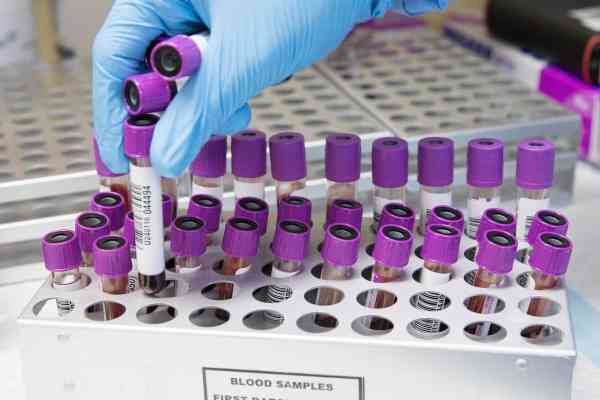
DAX correction! Biotech in takeover mode! BioNTech, CureVac, Pfizer, Vidac Pharma, and Kraft Heinz in focus
The stock markets are in top form: both the DAX and the NASDAQ 100 have flexed their muscles in recent days. Prices are being driven primarily by the continued strength of technology stocks and growing hopes for stable global economic growth, despite Donald Trump's tariff madness. At the same time, a growing takeover fever in the biotechnology sector is providing additional momentum. In the field of cancer research in particular, companies such as BioNTech, Moderna, and other specialized mRNA players such as CureVac are increasingly becoming the focus of strategic investors. The fight against cancer is increasingly becoming one of the key drivers for new partnerships and market consolidation. Speculation about possible mergers and billion-dollar acquisitions is currently on the rise again. This opens up an exciting environment for investors, offering opportunities for above-average returns. We identify the trigger points.
Read
Commented by Nico Popp on April 28th, 2021 | 07:00 CEST
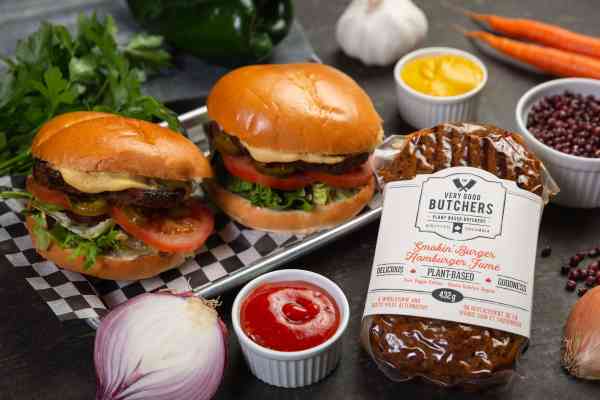
Nestlé, Kraft Heinz, The Very Good Food Company: Conservative investments - rethought
As the Allensbach Market and Advertising Media Analysis (AWA) showed last year, 24.75 million people in Germany alone are interested in healthy eating and healthy lifestyles - and the trend is rising. Young people, in particular, are increasingly drawn to veganism. Even if it is scientifically disputed to what extent meat consumption is associated with poorer health, the ethical advantages are obvious. Where no animal was processed, no animal had to be fattened, kept and slaughtered. Established food companies and innovative newcomers are vying for customers in the food market. We present three shares.
Read

Commented by André Will-Laudien on April 15th, 2021 | 10:40 CEST
The Very Good Food Company, Unilever, Kraft Heinz Company - People always eat!
Vegan food is becoming increasingly popular. On the one hand, public opinion is increasingly directed against unethical animal husbandry. On the other, we as consumers are becoming aware that traditional livestock farming is a factor in global warming. After all, the production of one kilo of Argentine steak requires 5,000-15,000 liters of water. The figure comes from the WWF study "Water footprint of Germany." Added to this is the methane production of livestock farming, not to mention all the other problems of factory farming. Currently, about 1.5 billion animals are kept worldwide. However these numbers are calculated, they are all mind-boggling statistics compared to the little meat on our plates. In short, not only since Greta Thunberg, a trend towards more sustainable nutrition, animal welfare and ultimately less meat consumption and the use of plant-based meat substitutes has become established. The topic is omnipresent!
Read