May 15th, 2026 | 09:05 CEST
Tailwinds from the US and EU: How Zefiro Methane Is Becoming a Problem-Solver for ExxonMobil and BASF
Anyone aiming to protect the climate must control and prevent harmful emissions. While decarbonization has focused for years almost exclusively on carbon dioxide (CO₂), methane is increasingly coming into the spotlight. Over a 20-year period, this gas's global warming potential is around 80 times higher than that of CO₂. In the US, millions of abandoned and orphaned oil and gas wells pose a major problem as they continue to emit methane, often decades after production has ceased. This is where Zefiro Methane's business model comes in, which could now take on a completely new long-term dimension due to stricter EU regulations. The key terms here are LNG imports and sustainability across supply chains. We shed light on Zefiro Methane's unique situation and outline the potential opportunity in the stock.
time to read: 4 minutes | Author: Nico Popp
ISIN: ZEFIRO METHANE CORP | CA98926D1069 | NEO: ZEFI
Table of contents:
Author

Nico Popp
At home in Southern Germany, the passionate stock exchange expert has been accompanying the capital markets for about twenty years. With a soft spot for smaller companies, he is constantly on the lookout for exciting investment stories.
Tag cloud
Shares cloud
Zefiro Methane Prevents Emissions and Generates Profits in the Process
Zefiro Methane has secured nearly exclusive access to a growing billion-dollar market. The company identifies and plugs abandoned and orphaned wells in the US, transforming these environmental liabilities into a profitable business model. The management team, led by CEO Catherine Flax, possesses the necessary expertise to efficiently leverage government funding programs. In the first quarter of fiscal year 2026, Zefiro reached an operational turning point: quarterly revenue rose by 21% to USD 12.1 million, while adjusted EBITDA of USD 3.8 million underscores the company's successful turnaround.
Through the acquisition of Viking Well Service's physical assets, the company recently expanded its operations to 13 US states. This acquisition is expected to generate additional annual revenue of over USD 10 million and solidify Zefiro's market position as a leading service provider for the plugging of so-called orphan wells. The fact that this potential is also recognized internationally is demonstrated by the entry of European investors, who provided approximately CAD 4.5 million in April to drive expansion into the emissions credit market through a private placement. The company benefits directly from USD 4.7 billion in US federal funds that have been specifically allocated for the plugging of abandoned wells.
ExxonMobil: Strategic Emissions Reduction in the Permian Basin
For energy giants like ExxonMobil, methane reduction has long since become a necessity for business reasons as well. The company has set a goal of reducing its methane emission intensity by up to 80% by the end of the year. To achieve this, ExxonMobil relies on state-of-the-art monitoring technologies to identify leaks in real time. Continuous monitoring systems have been installed at over 400 sites in the Permian Basin, which immediately report methane incidents through AI-powered data analysis. Nevertheless, the legacy of abandoned facilities remains an industry-wide problem. Large corporations are under increasing pressure to take responsibility for these legacy sites as well, which is driving demand for specialized service providers like Zefiro.
The New EU Regulations: Pressure on BASF and LNG Importers
However, Zefiro's story is not limited to the US; it is increasingly being shaped by legislative changes in Europe. The new EU Methane Regulation fundamentally changes the rules of the game for transatlantic energy trade. Starting in January 2027, new LNG import contracts may only be concluded if exporters can demonstrate that their monitoring and reporting standards comply with strict EU norms. Additionally, strict limits on the "methane intensity" of the entire supply chain will take effect starting in 2030.
For major consumers like BASF, this poses an enormous challenge. BASF already uses an internal CO₂ price of up to EUR 365 per ton as a strategic management tool to secure investments in low-emission technologies. However, the chemical industry in Europe warns that precise emissions data at the wellhead level is administratively nearly impossible for many LNG suppliers to manage. Violations of these new reporting requirements can result in fines of up to 20% of the affected annual revenue.
Zefiro as a Bridge to EU Compliance and Certification
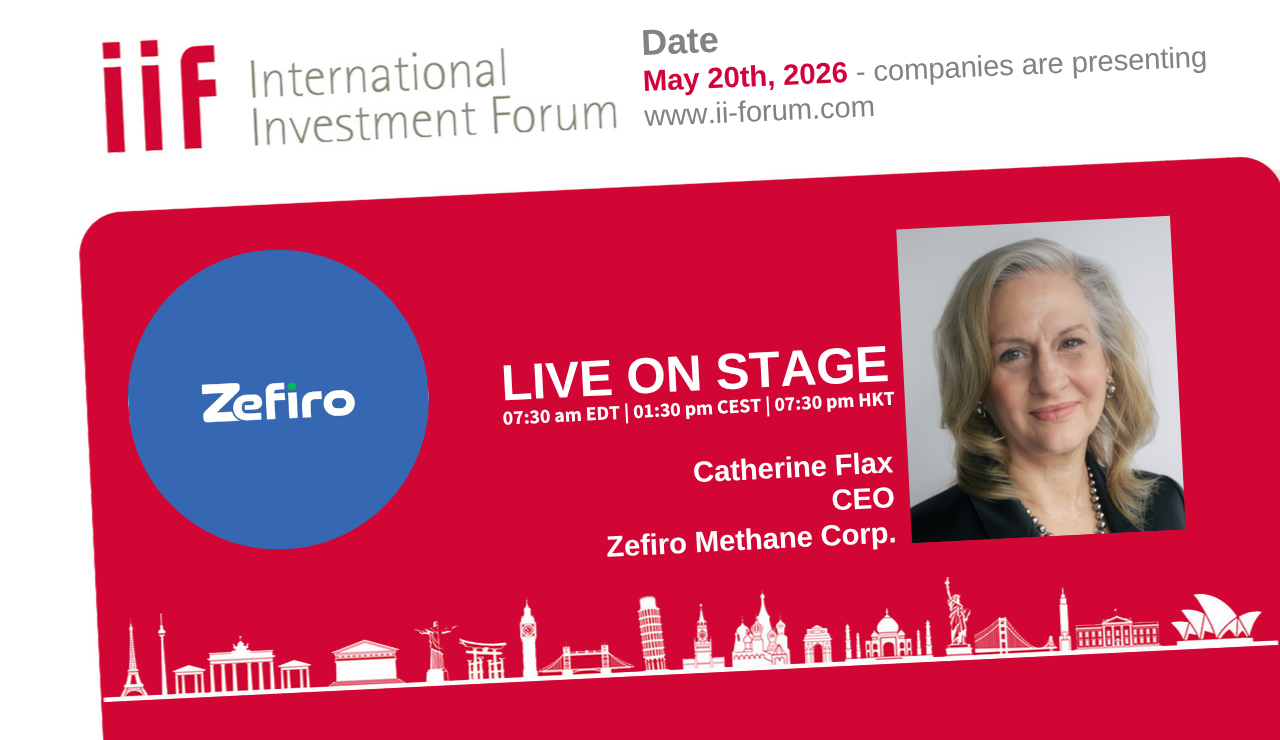
At this point, Zefiro Methane could become an indispensable partner for US producers and European buyers alike. In the future, US exporters must provide clear evidence that their methane intensity is decreasing to maintain access to the important European market. Zefiro's services encompass not only physical plugging but also the precise measurement and documentation of emissions savings using proprietary technology. In this way, Zefiro enables US customers to comply with European laws.
In addition, Zefiro enables the generation of high-quality methane emission certificates. Companies can offset their own operational emissions by decommissioning abandoned wells. Because Zefiro has a deep understanding of the regulatory framework in the US, the company is positioning itself as a certification authority for "clean" natural gas. This can provide European importers with the assurance that the gas they purchase meets future EU sustainability standards.
Conclusion: Zefiro Methane holds the reins in nearly every key area
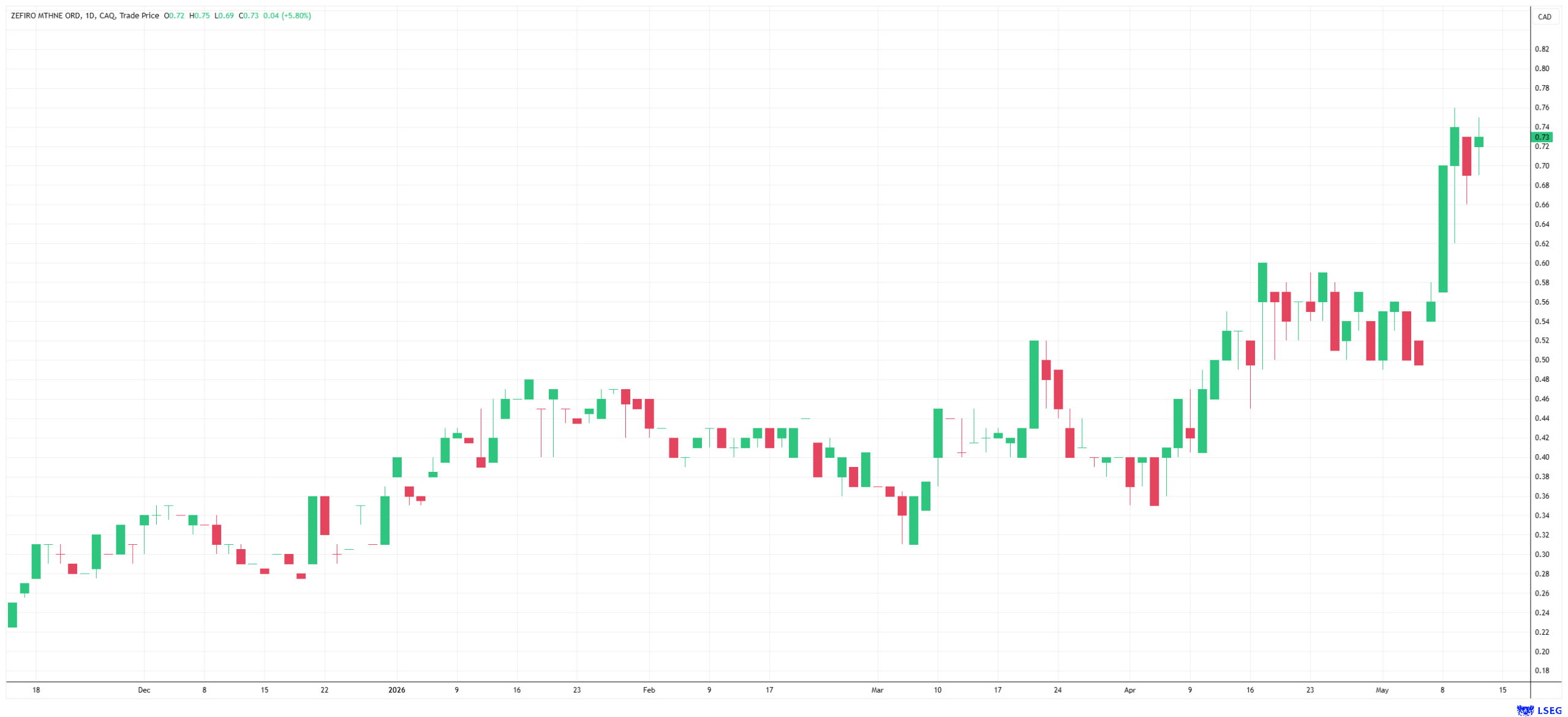
While ExxonMobil and BASF shine in a challenging environment thanks to their size and resilience, Zefiro Methane occupies a highly profitable regulatory niche. With a current market capitalization of approximately CAD 65 million, the share price does not yet fully reflect the significant growth potential in the US and, in the future, also from EU regulatory developments. Analysts see Zefiro as one of the few players that combines technical expertise with the ability to generate tradable emission credits.
Given these conditions, the company is poised for a scaling phase that is virtually guaranteed by the regulatory environment. The combination of government subsidies in the US and strict import rules in Europe creates a promising market environment. For investors, Zefiro Methane offers the rare opportunity to invest early in a specialized service provider that has turned a pressing environmental problem into a scalable business model.
Watch YouTube videoConflict of interest
Pursuant to §85 of the German Securities Trading Act (WpHG), we point out that Apaton Finance GmbH as well as partners, authors or employees of Apaton Finance GmbH (hereinafter referred to as "Relevant Persons") may hold shares or other financial instruments of the aforementioned companies in the future or may bet on rising or falling prices and thus a conflict of interest may arise in the future. The Relevant Persons reserve the right to buy or sell shares or other financial instruments of the Company at any time (hereinafter each a "Transaction"). Transactions may, under certain circumstances, influence the respective price of the shares or other financial instruments of the Company.
In addition, Apaton Finance GmbH is active in the context of the preparation and publication of the reporting in paid contractual relationships.
For this reason, there is a concrete conflict of interest.
The above information on existing conflicts of interest applies to all types and forms of publication used by Apaton Finance GmbH for publications on companies.
Risk notice
Apaton Finance GmbH offers editors, agencies and companies the opportunity to publish commentaries, interviews, summaries, news and the like on news.financial. These contents are exclusively for the information of the readers and do not represent any call to action or recommendations, neither explicitly nor implicitly they are to be understood as an assurance of possible price developments. The contents do not replace individual expert investment advice and do not constitute an offer to sell the discussed share(s) or other financial instruments, nor an invitation to buy or sell such.
The content is expressly not a financial analysis, but a journalistic or advertising text. Readers or users who make investment decisions or carry out transactions on the basis of the information provided here do so entirely at their own risk. No contractual relationship is established between Apaton Finance GmbH and its readers or the users of its offers, as our information only refers to the company and not to the investment decision of the reader or user.
The acquisition of financial instruments involves high risks, which can lead to the total loss of the invested capital. The information published by Apaton Finance GmbH and its authors is based on careful research. Nevertheless, no liability is assumed for financial losses or a content-related guarantee for the topicality, correctness, appropriateness and completeness of the content provided here. Please also note our Terms of use.