
biochar
Commented by Tarik Dede on September 18th, 2026 | 09:30 CEST
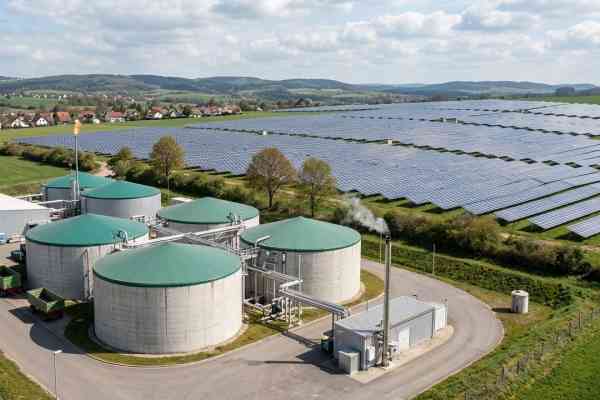
Energy Market in Transition: A Look at Enel, A.H.T. Syngas Technology and 2G Energy
The energy sector is in turmoil. And that is not just on the stock markets. Fuel prices for both road and air travel have surged sharply as a result of the US attacks on Iran. In Berlin, one gas station has already reported diesel prices of EUR 3 per litre. For trucking companies, commuters, and even central bankers, this is a nightmare scenario, as it fuels inflation. The ECB has already responded by raising interest rates last week. The Federal Reserve has now unanimously followed suit and also raised its key interest rate—despite calls from the White House to lower it to 1%. The stock markets have handled this development reasonably well so far. Nevertheless, investors should consider alternatives, particularly when it comes to energy. Today, we are putting three very different stocks in the spotlight: Enel, A.H.T. Syngas Technology and 2G Energy — from large to small!
Read
Commented by Tarik Dede on August 24th, 2026 | 08:05 CEST
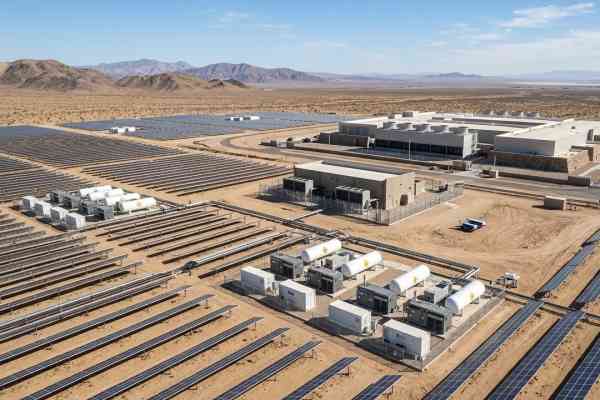
Energy Market in Focus: 2G Energy, A.H.T. Syngas Technology and SFC Energy
The energy market is undergoing a major transformation. The oil age is not coming to an end, but alternative energy sources are gaining ground and filling the gaps left by a geopolitically chaotic world. Historically, oil and gas prices remain at elevated levels. For end consumers, however, the current situation is having devastating consequences in some cases. Extremely high diesel prices are weighing on commuters, travelers, and freight carriers. Expensive kerosene is taking a significant toll on airlines' bottom lines. And the outlook is not necessarily improving. The wars in the Middle East and in Ukraine, as well as tensions involving Russia, are causing supply disruptions on a scale rarely seen before. Some experts are even warning that the impact on oil could exceed that of the oil crises of the 1970s. Decentralized energy solutions offer one way to reduce these dependencies. Today, we therefore take a closer look at the shares of 2G Energy, A.H.T. Syngas Technology and SFC Energy.
Read

Commented by André Will-Laudien on August 11th, 2026 | 07:50 CEST
AI Infrastructure Rally 3.0: Siemens Energy, A.H.T. Syngas, Nordex, and SpaceX in Focus
By 2035, Europe plans to fundamentally transform its electricity mix toward renewables to achieve near-complete climate neutrality and drastically reduce its dependence on fossil fuel imports. This ambitious project requires a perfectly coordinated interplay of massive large-scale infrastructure, smart grid technology, and decentralized energy solutions. Wind power pioneer Nordex SE is driving the rapid expansion of onshore capacity as the technological leader. Infrastructure giant Siemens Energy AG is an indispensable full-service provider, stabilizing fluctuating green power production with state-of-the-art transformers and grid connections and meeting the massive energy demands of AI data centers. To close the remaining gaps in weather-dependent generation, flexible, local backup is becoming increasingly important. Here, the specialist A.H.T. Syngas Technology fills the strategic gap for small and medium-sized enterprises by using compact gasification plants to convert industrial waste streams into clean synthesis gas and cost-effective green hydrogen right where it is generated. With this selection, investors can build a crisis-resistant, CO₂-free power grid of the future. If you are looking for an extra touch of speculative upside, there is always SpaceX—although investors should carefully consider which direction that particular bet is headed.
Read
Commented by Armin Schulz on August 3rd, 2026 | 07:30 CEST
Hydrogen Reality 2026: Nel ASA and A.H.T. Syngas Step Up as BP Pulls Back
The industrialization of hydrogen is heading toward a decisive turning point. While the major oil multinationals are surprisingly cutting back on their billion-dollar green projects, demand for clean energy remains strong. Investors need to rethink their strategies. The future of energy will not be shaped by the former pioneers, but by specialized technology companies and niche players who now want to seize the opportunity at hand. We examine this landscape more closely, taking a closer look at Nel ASA as a pioneer in electrolysis technology, A.H.T. Syngas as a creative niche provider of decentralized hydrogen solutions, and BP as the energy giant that is pulling back.
Read
Commented by Nico Popp on July 28th, 2026 | 07:35 CEST
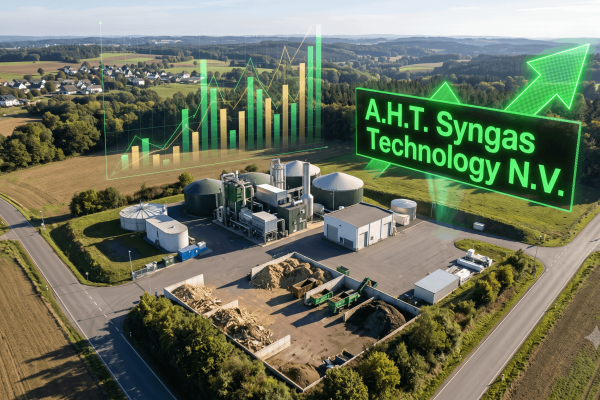
Hydrogen Setback: BASF and Linde Focus on Large-Scale Projects—Could Decentralized Solutions Put A.H.T. Syngas in the Spotlight?
The energy transition is unstoppable. Even industrial companies can no longer avoid finding innovative solutions involving synthesis gas or hydrogen. To meet the rapidly rising demand for green hydrogen in particular, policymakers and corporations are relying on pipelines and large-scale projects. The European RED III directive requires the chemical industry to achieve a 42% share of green hydrogen by 2030—which, according to market researchers, will require investments in the double-digit billions. However, since the expansion of Germany's pipeline network is proceeding slowly, many companies are facing a supply gap. The industry is addressing this gap in two ways: large corporations are focusing on large-scale solutions, while specialized providers such as A.H.T. Syngas are advancing decentralized solutions. We examine the situation and highlight opportunities.
Read

Commented by André Will-Laudien on July 23rd, 2026 | 11:50 CEST
Things are heating up! Disappointment at Nel ASA - can A.H.T. Syngas, E.ON, and ITM Power deliver?
It is earnings season again! As is the case every year starting in mid-July, publicly traded companies are reporting on the past quarter. There is a lot of movement, especially among the highly watched tech stocks, some of which have suffered sharp price declines in recent weeks. Nel ASA has already reported its Q2 results, confirming the difficult situation in the hydrogen business with another revenue decline—though at least order intake is on the rise. With the climate and energy transition back in the spotlight amid summer temperatures nearing 40 degrees, we are also taking a look at its competitors in the energy sector. A.H.T. Syngas continues to grow in Poland, ITM Power secures additional EU funding, and E.ON is making acquisitions in the UK. So the M&A merry-go-round is spinning again—investors should remain on their toes despite the heat!
Read

Commented by Nico Popp on July 14th, 2026 | 07:20 CEST
Nothing but Trouble with Green Energy: 2G Energy Looks Ahead – A.H.T. Syngas in Turnaround, Concerns at Plug Power
Energy providers are under pressure from two sides: on the one hand, AI data centers and the ongoing electrification of mobility and industry are consuming increasing amounts of electricity; on the other hand, lawmakers are demanding climate protection and decarbonization. But when the wind stops blowing and the sun disappears behind the clouds, problems loom. Batteries can barely cushion the load volatility in the distribution grid. One solution is molecular energy carriers such as syngas or hydrogen, which deliver energy exactly where it is needed, regardless of the weather. New, innovative business models often rely on decentralized solutions and stand to benefit the most. We shed light on the market and introduce companies.
Read
Commented by Stefan Feulner on July 13th, 2026 | 07:10 CEST
Xiaomi, A.H.T. Syngas, JinkoSolar: 3 Winners of the New Energy Era
Global energy demand is skyrocketing due to AI data centers, electric mobility, and the electrification of industry. At the same time, technological breakthroughs in solar energy, hydrogen, and energy storage are driving the transformation of the energy sector. Added to this is the boom in smart electric vehicles. Right at the intersection of these megatrends, growth markets worth billions are emerging, featuring companies with the potential to be among the winners of the next wave of energy and technology.
Read

Commented by Fabian Lorenz on July 10th, 2026 | 07:15 CEST
Plug Power Comeback? Nordex Wins Applause, While A.H.T. Syngas Looks Deeply Undervalued
Expectations for Nordex's order intake were high. The company exceeded them. Consequently, the stock was celebrated by investors and analysts yesterday. The company is showing confidence, and the stock appears to have further upside potential. A.H.T. Syngas shares also hold significant upside potential, with analysts' price targets well above the current level. The cleantech company's products are well-suited to the current climate. A price rally appears to be only a matter of time. At Plug Power, shareholders are more likely asking themselves when the sell-off will stop. The stock has lost significant value since early June. Could an order from Australia spark a comeback on the stock market?
Read

Commented by André Will-Laudien on July 8th, 2026 | 07:25 CEST
Penalty Shootout in the Energy Sector: Takeovers Ahead? Keep an Eye on Nel ASA, A.H.T. Syngas, Helios Solar, ITM, and Plug Power
Markets continue to climb, and the global energy transition is entering a new investment phase. Yet the momentum is far from evenly distributed. While Europe is accelerating the expansion of renewable energy to meet rising electricity demand from electric vehicles, industry, data centers, and artificial intelligence, the US administration is placing renewed emphasis on expanding nuclear power. Meanwhile, Southeast Asia is quietly emerging as one of the world's fastest-growing solar markets. According to the International Energy Agency, annual global investment in clean energy technologies will need to exceed USD 2 trillion by the end of the decade merely to move closer to international climate targets. At the same time, the European Commission is easing fiscal rules, giving member states greater scope to invest in energy infrastructure, while the European Investment Bank plans to provide EUR 75 billion in financing for energy transition projects by 2028. Who stands to benefit?
Read