April 22nd, 2026 | 07:00 CEST
USD 4.7 billion for 150,000 Abandoned Oil Wells – A Billion-Dollar Market Emerges: Zefiro Methane, Halliburton, and JPMorgan in focus
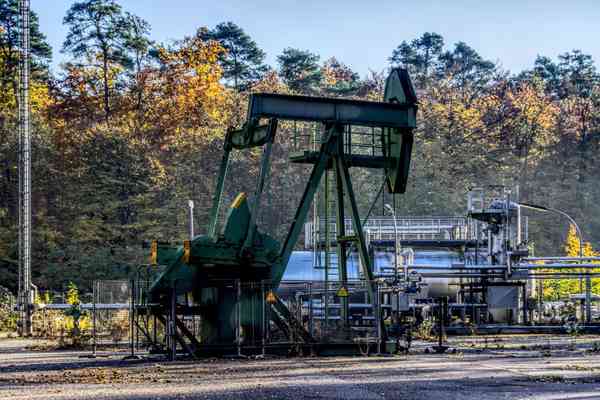
Cleaning up the legacy of the US oil industry has evolved into a distinct economic sector, driven by government subsidy programs worth billions and the rapidly growing trade in emissions credits. According to analyses by the International Energy Agency (IEA), abandoned wells emit significant amounts of methane—a greenhouse gas that is around 80 times more harmful than CO₂ over a 20-year period. In the US, methane leakage from legacy oil infrastructure can pose environmental and safety risks, including groundwater contamination and localized gas buildup. To address this issue, the US government is allocating nearly USD 4.7 billion through the Infrastructure Act to plug and remediate approximately 150,000 so-called orphan wells. The consulting firm McKinsey estimates that demand for permanent CO₂ removal credits could grow to as much as 100 million tons by 2030. We take a closer look at this emerging sector and highlight a particularly interesting opportunity for investors.
time to read: 3 minutes | Author: Nico Popp
ISIN: ZEFIRO METHANE CORP | CA98926D1069 | NEO: ZEFI , HALLIBURTON CO. DL 2_50 | US4062161017 , JPMORGAN CHASE DL 1 | US46625H1005
Table of contents:
Author

Nico Popp
At home in Southern Germany, the passionate stock exchange expert has been accompanying the capital markets for about twenty years. With a soft spot for smaller companies, he is constantly on the lookout for exciting investment stories.
Tag cloud
Shares cloud
Old Wells and Pollution Credits as a Billion-Dollar Market
While specialized service providers like Halliburton primarily apply their expertise to active wells and complex industrial decommissioning, the quality of the resulting CO₂ credits is increasingly coming into focus for global financial institutions. For example, JPMorgan has significantly expanded its CO₂ credit business to provide institutional clients with access to verified methane reduction credits, which are considered comparatively stable in value. In this evolving market environment, Zefiro Methane positions itself as a focused problem-solver, sealing abandoned wells on behalf of US states and oil producers and converting the avoided methane emissions into tradable credits. Backed by a management team with roots in investment banking and extensive operational experience, Zefiro offers investors exposure to politically supported cash flows and structurally protected growth in a market characterized by high barriers to entry.
Halliburton: Focus on Active Wells and Major Projects
Halliburton is one of the world's largest oilfield service providers, supplying highly specialized equipment and services to enhance drilling and production performance. The company's business model is based on the Completion & Production and Drilling & Evaluation segments. According to its own figures, the company reported stable revenue of approximately USD 22.2 billion in the past fiscal year, with CEO Jeff Miller highlighting strong returns and solid cash flows. Although Halliburton also possesses expertise in well closure, its core business lies in active drilling and the completion of major projects for international oil companies. When it comes to the specialized and detailed remediation of abandoned wells under government contracts, the industry giant leaves the field to more agile specialists like Zefiro Methane.
JPMorgan: Financier of the Pollution Rights Market
The rising demand for high-quality emission allowances has drawn global financial institutions into the fray. JPMorgan Chase has significantly expanded its activities in the climate sector and on the emissions markets in recent quarters. The bank acts as an intermediary, channeling institutional capital into certified emissions reduction projects. By establishing specialized carbon teams, the institution enables its major clients to gain direct access to verified methane reduction credits, which are considered particularly effective and stable in value compared to traditional CO₂ offsets. Support from banks is crucial to making the high investments in the remediation of oil industry contamination sites economically viable and to creating a liquid market for environmental credits.
Zefiro Methane: Reliable Problem Solver
It is precisely in this niche that Zefiro Methane positions itself as a highly specialized provider with clear competitive advantages. The company combines the decommissioning of inactive oil wells with the generation and sale of CO₂ offset credits. Through its subsidiary Plants & Goodwin, Zefiro brings more than 50 years of operational experience in well plugging. Given the technical complexity of these projects and the importance of execution expertise, the company has established itself as a preferred partner for many clients across the industry. Combined with a management team that includes former members of JPMorgan's carbon teams, Zefiro effectively bridges technical execution with the mechanisms of modern capital markets.
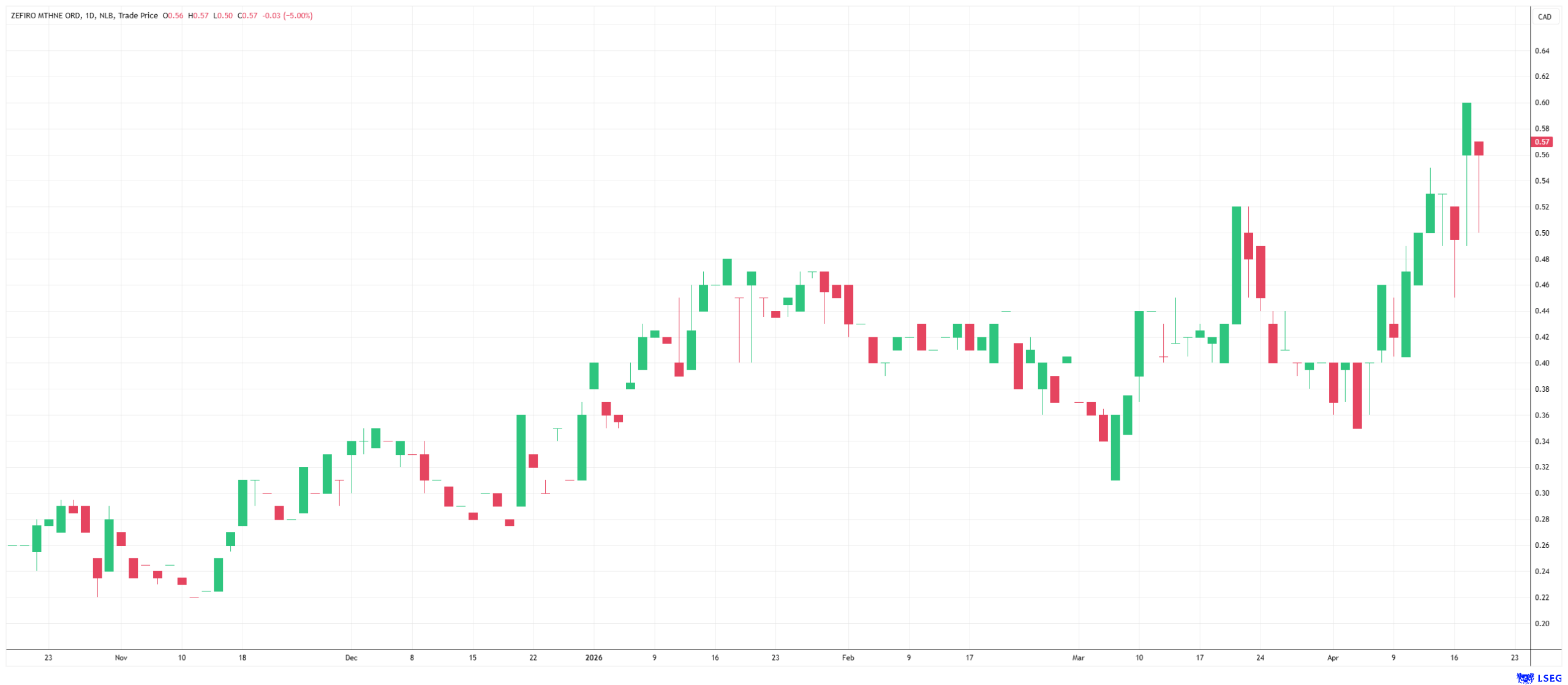
This vertical integration is also reflected in its financial performance. In the second quarter of fiscal year 2026, the company increased revenue by 34% year-over-year to approximately USD 10.05 million and reported adjusted EBITDA of USD 3.8 million for the last six months. By mid-2025, the operational order backlog, primarily from state governments and private energy companies, had already reached nearly USD 20 million, underscoring that a sustained growth trajectory is already taking shape.
Conclusion: A Market with Deep Moats
For investors, the market for oil well remediation presents an attractive niche. While Halliburton continues to serve the oil industry's cyclical large-scale contracts and JPMorgan acts as a financier and intermediary, Zefiro Methane holds a de facto monopoly in on-site problem-solving. Since the technical and regulatory requirements for generating the highly sought-after high-value emission certificates are substantial, Zefiro enjoys comprehensive protection from competition. Speculative private investors see the stock as an opportunity to participate in this exciting yet sheltered niche market.
Conflict of interest
Pursuant to §85 of the German Securities Trading Act (WpHG), we point out that Apaton Finance GmbH as well as partners, authors or employees of Apaton Finance GmbH (hereinafter referred to as "Relevant Persons") may hold shares or other financial instruments of the aforementioned companies in the future or may bet on rising or falling prices and thus a conflict of interest may arise in the future. The Relevant Persons reserve the right to buy or sell shares or other financial instruments of the Company at any time (hereinafter each a "Transaction"). Transactions may, under certain circumstances, influence the respective price of the shares or other financial instruments of the Company.
In addition, Apaton Finance GmbH is active in the context of the preparation and publication of the reporting in paid contractual relationships.
For this reason, there is a concrete conflict of interest.
The above information on existing conflicts of interest applies to all types and forms of publication used by Apaton Finance GmbH for publications on companies.
Risk notice
Apaton Finance GmbH offers editors, agencies and companies the opportunity to publish commentaries, interviews, summaries, news and the like on news.financial. These contents are exclusively for the information of the readers and do not represent any call to action or recommendations, neither explicitly nor implicitly they are to be understood as an assurance of possible price developments. The contents do not replace individual expert investment advice and do not constitute an offer to sell the discussed share(s) or other financial instruments, nor an invitation to buy or sell such.
The content is expressly not a financial analysis, but a journalistic or advertising text. Readers or users who make investment decisions or carry out transactions on the basis of the information provided here do so entirely at their own risk. No contractual relationship is established between Apaton Finance GmbH and its readers or the users of its offers, as our information only refers to the company and not to the investment decision of the reader or user.
The acquisition of financial instruments involves high risks, which can lead to the total loss of the invested capital. The information published by Apaton Finance GmbH and its authors is based on careful research. Nevertheless, no liability is assumed for financial losses or a content-related guarantee for the topicality, correctness, appropriateness and completeness of the content provided here. Please also note our Terms of use.