
PANASONIC CORP.
Commented by Nico Popp on June 17th, 2026 | 06:40 CEST
The Direct Path to High-Purity Silicon: How HPQ Silicon Boosts Efficiency for Companies Like Wacker Chemie and Panasonic
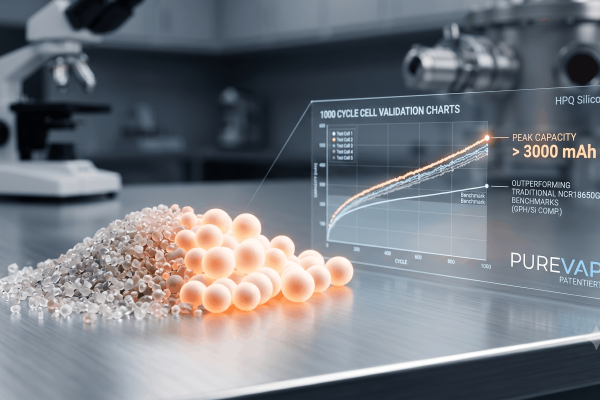
Low-quality anode materials, high energy prices, and the Chinese monopoly on complex processes—the situation surrounding the supply of high-performance battery cells and their raw materials is forcing the industry to take action. To increase the energy density of next-generation electric vehicle batteries, the automotive industry needs to transition from conventional graphite anodes to high-purity silicon anode materials. Graphite systems are reaching their physical limits, while silicon compounds promise a theoretical charge capacity up to 10 times higher. However, since established multi-step synthesis processes are complex and expensive, the focus is shifting toward low-carbon, energy-efficient alternatives. We explain the background and introduce a solution.
Read
Commented by Nico Popp on May 19th, 2026 | 07:05 CEST
Supply Chain Collapse in Battery Raw Materials: Why Panasonic, Porsche, and Others Are Increasingly Dependent on HPQ Silicon's Silicon Technology
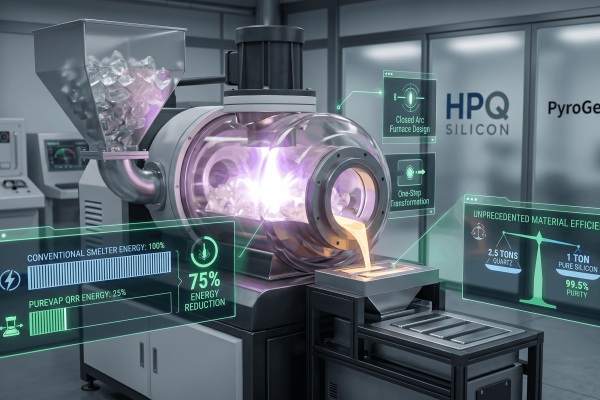
While the majority of investors are still focused on fluctuating energy prices, experienced investors have long been positioning themselves in the niche market of advanced silicon anodes. The reason is clear: traditional graphite anodes are reaching their performance and capacity limits in electric vehicles—particularly in the premium segment. Anyone aiming to enable driving ranges of well over 500 km combined with ultra-fast charging for spontaneous long-distance travel will ultimately have to rely on a shift in cell chemistry toward high-purity silicon. However, since the industrial-scale production of this raw material relies on an extremely energy-intensive, environmentally harmful supply chain that is almost entirely controlled by China, global market leaders like Panasonic are under pressure to reorganize their supply chains. This is precisely where the innovative company HPQ Silicon could become highly relevant.
Read

Commented by Mario Hose on February 24th, 2026 | 08:00 CET
Panasonic, Samsung SDI, and NEO Battery Materials: Three paths into the battery age
Whether it is due to failures on the part of the Western automotive industry or China's locational advantages, Beijing dominates the global battery market and openly uses this power as a geopolitical lever. Since November 2025, drastically tightened export regulations have been in place for lithium batteries, graphite anode materials, and related equipment. Production machinery and technologies are also affected. This is a wake-up call for Western industry - and an opportunity for investors: Non-Chinese battery manufacturers are increasingly coming into focus on the stock market, whether they are established players such as Panasonic and Samsung SDI or newcomers such as NEO Battery Materials.
Read