
CO2

Commented by Nico Popp on April 22nd, 2026 | 07:00 CEST
USD 4.7 billion for 150,000 Abandoned Oil Wells – A Billion-Dollar Market Emerges: Zefiro Methane, Halliburton, and JPMorgan in focus
Cleaning up the legacy of the US oil industry has evolved into a distinct economic sector, driven by government subsidy programs worth billions and the rapidly growing trade in emissions credits. According to analyses by the International Energy Agency (IEA), abandoned wells emit significant amounts of methane—a greenhouse gas that is around 80 times more harmful than CO₂ over a 20-year period. In the US, methane leakage from legacy oil infrastructure can pose environmental and safety risks, including groundwater contamination and localized gas buildup. To address this issue, the US government is allocating nearly USD 4.7 billion through the Infrastructure Act to plug and remediate approximately 150,000 so-called orphan wells. The consulting firm McKinsey estimates that demand for permanent CO₂ removal credits could grow to as much as 100 million tons by 2030. We take a closer look at this emerging sector and highlight a particularly interesting opportunity for investors.
Read
Commented by Nico Popp on January 27th, 2026 | 07:25 CET
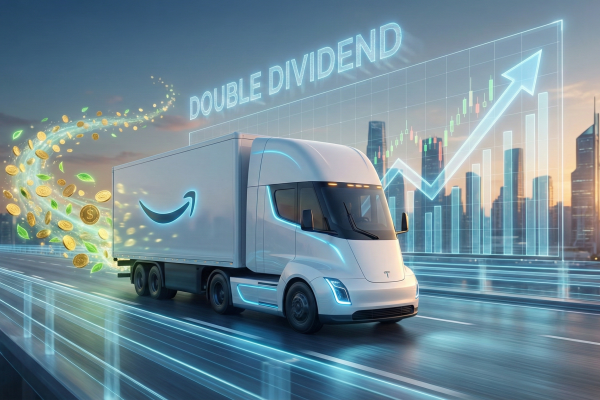
Double dividends for Amazon & Co.: How CHAR Technologies combines the business models of Clean Energy Fuels and Carbon Streaming
The global energy landscape is currently undergoing a quiet but tremendous change. While electric trucks are still often discussed in the headlines, the titans of the logistics industry have long been making progress on a completely different track. Driven by the need to improve their carbon footprints immediately, giants such as Amazon and UPS are investing heavily in renewable natural gas (RNG). This trend has triggered strong demand for green molecules that can use existing infrastructure without having to wait for the expansion of the power grids. But parallel to this physical market, a second, purely financial sector is booming in the background: trading in certificates for the permanent removal of carbon dioxide. Investors are now willing to pay premiums for verified, high-quality certificates. The Canadian company CHAR Technologies is positioning itself in both of these markets. CHAR combines the best of both worlds. Its plants produce the RNG urgently needed by the logistics industry and, at the same time, generate the premium certificates that are currently the most expensive on the carbon market through the production of biochar.
Read

Commented by Armin Schulz on September 26th, 2025 | 07:10 CEST
Is the turbo kicking in? A look at the strategies of Plug Power, Pure Hydrogen and Ballard Power
The race for the future of industrial energy is entering its decisive phase. While global energy demand continues to grow unabated, high CO₂ prices and strict climate regulations are driving explosive demand for clean solutions. Green hydrogen, in particular, promises to revolutionize energy-intensive sectors such as steel and logistics, opening up a market worth billions. Pioneers with concrete technologies and projects stand to benefit the most from this boom. This dynamic makes companies like Plug Power, Pure Hydrogen, and Ballard Power key players who are now in the spotlight.
Read

Commented by Juliane Zielonka on September 21st, 2023 | 07:55 CEST
dynaCERT, Amazon, FREYR Battery - Those who are focused on CO2 reduction and successful at it
At the Fleet Services Expo in Ottawa, dynaCERT will showcase its "Hydrogen-on-Demand" technology. For the first time, dynaCERT is demonstrating its fully functional HydraGEN™ technology on a company-owned Mercedes Sprinter Van, providing environmentally friendly hydrogen power to fleet vehicles in Ontario. This innovative solution reduces CO2 emissions and also lowers operating costs. On the other hand, as the upcoming seasonal business approaches, Amazon is increasing its workforce, most of whom use non-CO2-reducing vehicles to make deliveries in the US. A renowned institute has, therefore, removed Amazon from the CO2 index. Meanwhile, the Norwegian battery manufacturer FREYR Battery is moving to the US. The Company has filed its documents for incorporation in Delaware and sees a lot of benefits for business expansion and shareholders with its US location.
Read