
COCA-COLA CO.

Commented by André Will-Laudien on October 27th, 2026 | 05:34 CET
Strong Stock Gains from the Green Transition! How Coca-Cola, Bayer, MustGrow and PepsiCo Are Preparing for the Future
Created and Published on Behalf of MustGrow Biologics Corp.
Despite regulatory progress, global food security remains precarious. According to a recent report by Welthungerhilfe and partner organisations, around a tenth of the world's population suffers from acute malnutrition. Global crises such as climate change and armed conflicts are further exacerbating the situation. Large corporations must therefore go beyond statutory minimum standards and guarantee fair purchase prices to strengthen the resilience of smallholder farms. Only by firmly linking corporate due diligence with sustainable farming practices can the UN Sustainable Development Goal of ending hunger be achieved in the long term. To steer multinational corporations' market power toward more sustainable practices, the European Union is increasingly turning to regulation. A key instrument is the EU Corporate Sustainability Due Diligence Directive (CSDDD), which, from 2026, is intended to require comprehensive compliance with human rights and environmental standards throughout the value chain. Large agricultural and food companies must therefore demonstrate that their suppliers do not destroy local livelihoods, such as access to clean drinking water or fertile land. For investors, these developments are creating a range of opportunities around an emerging megatrend. Allocating a portion of a portfolio to the food, beverage and crop science sectors may therefore make sense.
Read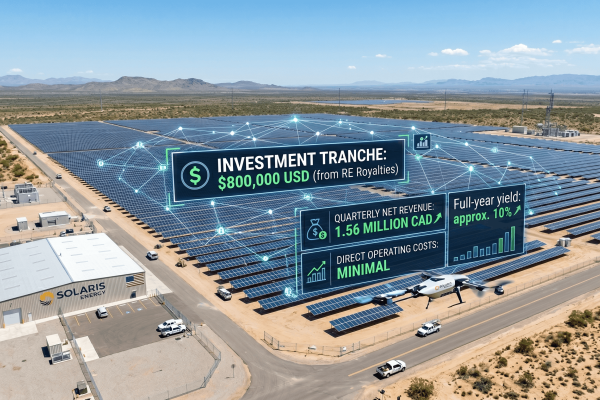
Commented by Nico Popp on May 22nd, 2026 | 07:15 CEST
Are Dividend Strategies on the Brink? Restructuring Pressure at Procter & Gamble and Coca-Cola – Hidden Gem: RE Royalties
Inflationary pressures and geopolitical upheavals are forcing even market leaders in traditional dividend sectors to make structural adjustments. The era of purely volume-driven revenue growth is slowing, which is why companies such as Coca-Cola and Procter & Gamble are required to invest heavily to defend their operating margins. In this volatile market environment, investors are increasingly seeking reliable cash flows and stable dividend profiles. While established dividend aristocrats struggle with digital transformation and the divestment of non-core businesses, agile niche providers are moving into focus. The Canadian company RE Royalties applies a low-risk financing model inspired by the mining sector to the renewable energy industry, thereby generating scalable income streams. We explain how the model works and why investors have several good options with RE Royalties.
Read
Commented by Nico Popp on July 27th, 2022 | 13:14 CEST
Value stocks for today and the future: McDonald's, Saturn Oil + Gas, Coca-Cola
Especially those who now want to enter the stock market for the long term may be looking for a risk buffer. The value approach has proven its worth. The basic idea is to buy stocks with robust business models at low valuations and thus be protected on the downside even in the event of weak performance. The idea is that stocks we have bought at low prices also have upside potential. We present two typical value stocks and show why even value investors should sometimes break new ground.
Read
Commented by André Will-Laudien on December 9th, 2020 | 10:37 CET
Berkshire Hathaway, Coca-Cola, Blackrock Gold - a long runner in the Advent season
The point is this: Even before the pandemic, a market correction was more than likely. Global debt once again reached a dangerous fever level. Then, of course, came the pandemic, which turned everything upside down and accelerated the debt wheel once again. But that was then, and this is now. The problems from before the March crash are still there, and in some cases, they have even intensified. Between January and September of this year, world debt has increased by another USD 15 trillion. Economists estimate that by the end of this year alone, global debt will have risen to USD 277 trillion. This liquidity will flow into the structural aid that has been promised, but above all into the financial markets, which are floating in orbit given weak economic figures. In the meantime, the pandemic continues to spread around the world, and the prospect of a rapid vaccination of 8 billion people or increasing herd immunity alone remains a hope for the quiet days, which will carry a very special sensuality this year because the future of humanity is at stake! Another year like 2020 - we don’t need that!
Read